
An Introduction to the Ultimate Utility Fabric: Duck Canvas
You’ve definitely seen it. You’ve probably touched it. You might even be wearing it right now.
From that trusty tan work jacket that never seems to rip, to the heavy duty canvas fabric covering a boat at the marina, this stuff is everywhere. It’s the unsung hero of the fabric world. But despite how common it is, most people get stuck on the name.
So, what is duck canvas fabric exactly?
First off—no, it has nothing to do with birds. Funny enough, the name actually comes from the Dutch word doek, which simply means “linen canvas.” Duck canvas derives its name from… doek.
Here’s the simple version: It is a woven cotton fabric that is much tougher than standard canvas. While regular canvas uses a simple basket weave, legitimate cotton duck fabric is built differently. It usually packs two yarns together in the warp (lengthwise) and one in the weft (crosswise). This creates a super tight, smooth surface that wind and water have a hard time getting through.
Because it’s so strong, industries use it for everything from sandbags to conveyer belts. But it’s not one-size-fits-all. There’s a whole system of weights and numbers—like numbered duck canvas—that tells you exactly how heavy the fabric is.
Let’s figure out exactly how this material works and which type you actually need.
What is Duck Canvas Fabric, Exactly? Origins and Key Characteristics
You’d think a fabric named “duck” would have something to do with water, right? Like maybe it sheds water like a duck’s feathers?
Well, sort of. But the name is actually a total accident of history.
See, a long time ago, Dutch sailors wore pants and outerwear made from this super tough linen canvas. In Dutch, the word for this cloth was doek (pronounced like “duke”). When English sailors started trading and buying this fabric, they heard “doek” and eventually just started saying “duck.” It stuck. Duck canvas derives its name from… doek.
So, no birds involved. Just a mispronounced Dutch word that we’ve been using for centuries.
How It’s Actually Made
Now, let’s look at why this stuff is so tough.
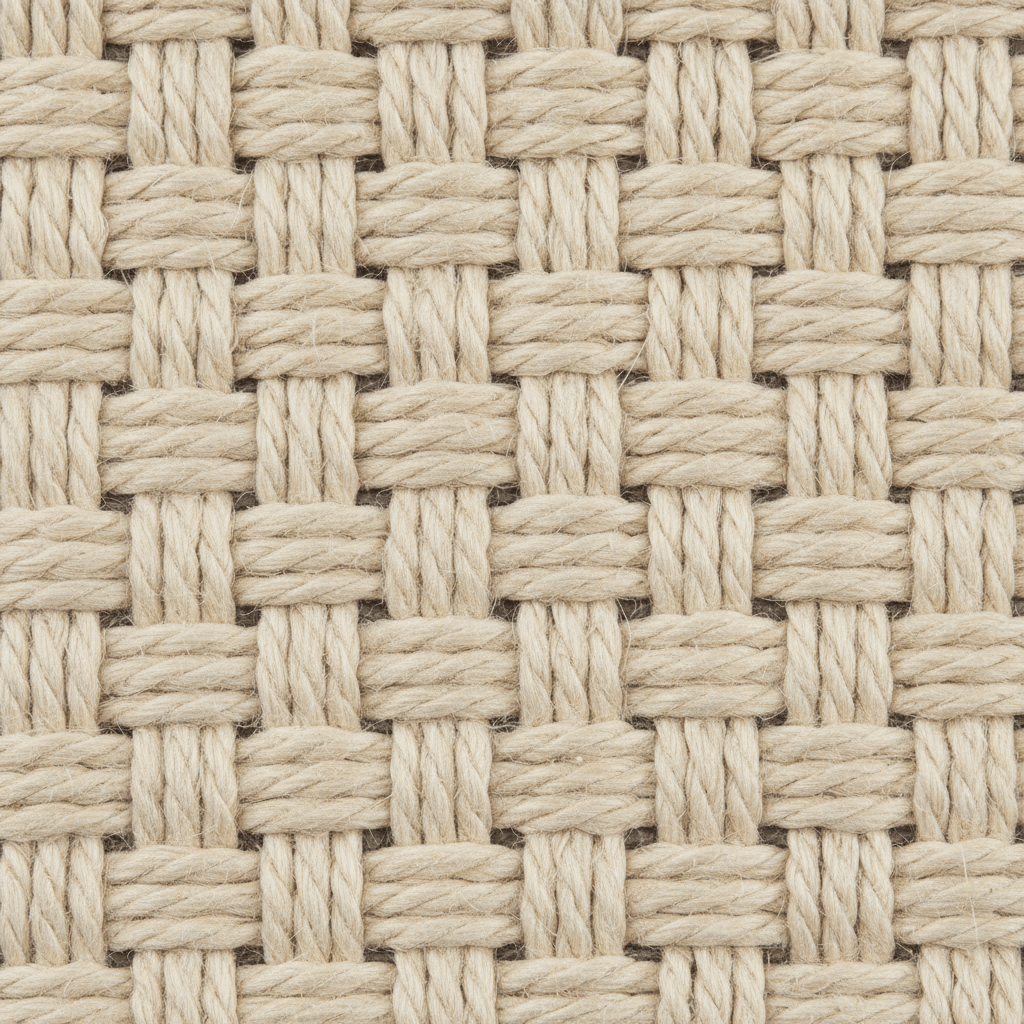
If you look at a piece of regular fabric under a magnifying glass, it usually looks like a simple checkerboard. One thread goes over, one goes under. Simple.
But cotton duck fabric? It breaks the rules.
Instead of a single thread, the weavers take two yarns and twist them together for the lengthwise threads (called the warp). Then, they weave a single yarn across them (the weft). This is called a “plain weave,” but because of those doubled-up yarns, it packs the cotton incredibly tight. Duck canvas uses a plain weave pattern… distinctive from regular canvas.
The result?
You get a surface that is shockingly smooth. Regular raw canvas can feel bumpy or rough, kind of like a potato sack. But duck canvas material feels flat and solid. That tightness is also what helps it block wind and unexpected rain showers better than looser fabrics.
Duck Cloth vs. Canvas: What’s the Difference?
People swap these names around all the time, but they aren’t exactly the same thing.
Think of “canvas” as the big category—like “ice cream.” Duck cloth is a specific flavor, like “Rocky Road.” It’s a type of canvas, but it’s the heavy-duty version.
Standard Canvas: Usually a simple 1×1 weave. Good for painting or light bags.
Duck Canvas: That specific 2×1 weave we talked about. Built for abuse.
This is why strict separation matters for industrial jobs. Manufacturers—like the team at GNC Exports who ship specialized textiles globally—know that when safety features like fire resistance or oil-wax coatings are on the line, you need the structural integrity of true duck weave, not just generic cotton cloth.
If you hold a piece of heavy duty canvas fabric up to the light, you shouldn’t see many holes. That’s the duck difference. It’s dense. It’s stubborn. And it’s exactly what you want between you and a concrete floor.
Decoding the Numbers: A Guide to Duck Canvas Weight and Grades
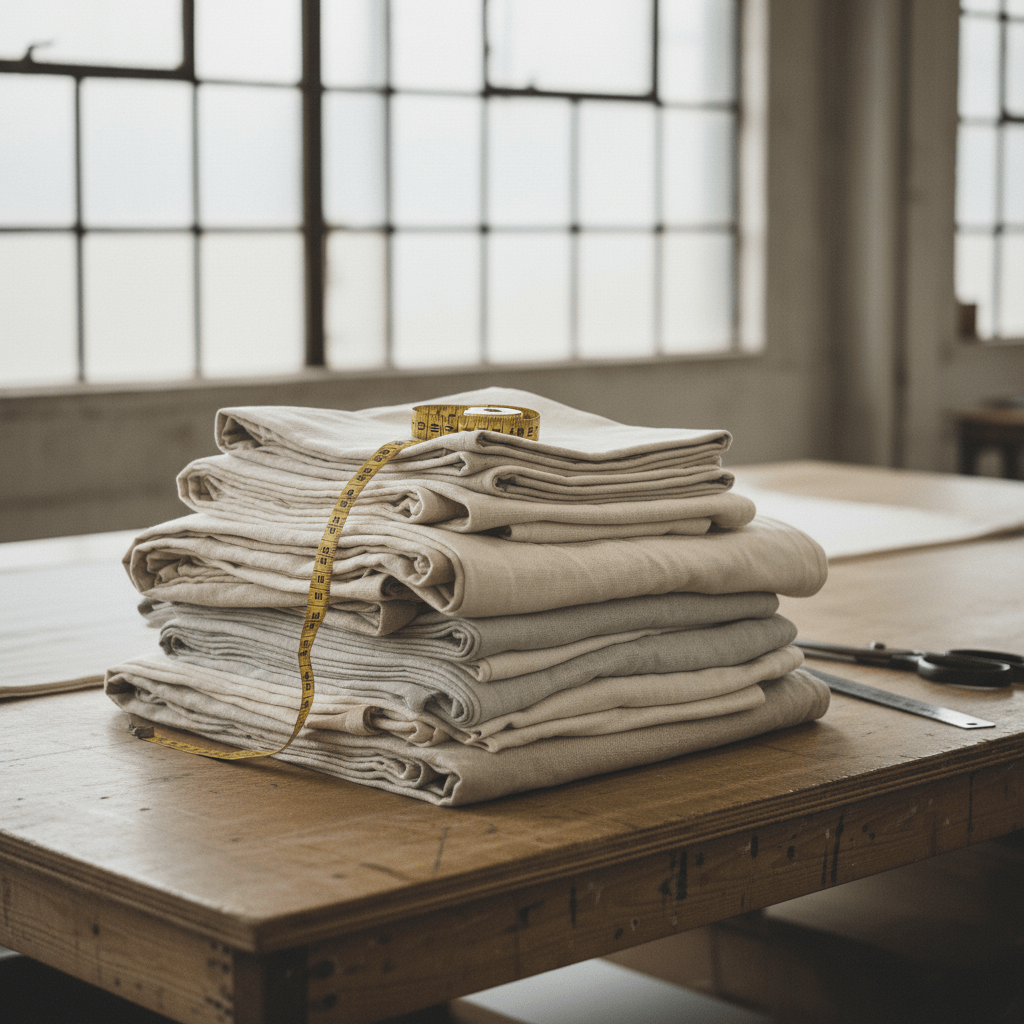
Ever tried to buy canvas online and felt like you needed a math degree?
Yeah, me too.
You see a listing for “10oz canvas” and another for “#10 canvas.” They sound like the same thing, right? Actually, mixing these up is the most common mistake people make.
I once ordered what I thought was lightweight fabric for a tote bag project and ended up with something stiff enough to stand up on its own. It was a disaster.
Let’s clear this up so you don’t waste your money.
The Easy Way: Ounces (oz/yd²)
Most modern fabric is measured by weight. It’s pretty straightforward.
This measurement tells you exactly how many ounces a square yard of the fabric weighs.
Low Number (7oz): Thinner, lighter.
High Number (18oz): Thicker, heavier.
Simple, right? This is the standard you’ll see for most consumer goods. But when you get into the industrial side of things—or really high-quality heritage gear—you run into the old-school system.
The Tricky Way: The Numbered Duck System
This system has been around for centuries, and it works backwards.
In the numbered duck canvas system, as the number goes up, the weight goes down.
Weird, I know.
So, a #12 duck is actually much lighter and softer than a #1 duck. Think of #1 as the heavyweight champion of the world—it’s incredibly stiff and tough. It’s so dense that you can barely bend it with your hands.
Here is a cheat sheet to help you compare the grades.
Duck Grade | Approx Weight (oz/sq yd) | What It Feels Like | Best Uses |
#1 | ~36 oz | Extremely stiff, hard | Industrial heavy lifting, floor cloths |
#4 | ~24 oz | Very heavy, rigid | Sea bags, heavy-duty belts |
#8 | ~18 oz | Thick, holds shape | Work bags, backpacks, tarps |
#10 | ~15 oz | Medium-heavy, pliable | Artist canvas, shower curtains |
#12 | ~11.5 oz | Lighter, softer | Apparel, light tote bags |
Research shows that lower numbers indicate heavier weights.
Which Weight Do You Actually Need?
Okay, looking at a chart is one thing. But knowing what to pick for your specific project is another.
Here is how I break it down when I’m shopping.
1. Light Weight (7oz to 9oz)
This is what you want for clothing that touches your skin. It breathes. It moves. If you are making a summer work shirt or a lining for a bag, stay in this range.
2. Medium Weight (10oz to 12oz)
This is the sweet spot for most DIY projects.
If you own a classic Carhartt work jacket, you are likely wearing 12oz duck. It’s tough enough to handle a construction site but flexible enough that you can actually move your arms. Standard firm duck usually weighs 12 ounces. This is also perfect for slipcovers or reusable grocery bags.
3. Heavy Weight (14oz to 18oz+)
Now were getting into the serious territory.
Fabric in this range—often #10 or #8 duck—is stiff. You usually need a heavy-duty needle to sew it. This is what you use for director’s chairs, cots, or rugged backpacks that need to survive a hike through brambles.
4. Industrial Grade (Number #6 to #1)
Reviewing the chart, you’ll see these are the monsters of the fabric world. You probably won’t use these for a home sewing project unless you have an industrial machine.
This is where specialized manufacturers like GNC Exports operate. When industries need conveyor belts, massive sandbags, or fire-retardant covers that can survive an oil rig, they aren’t using regular cloth. They need these super-heavy numbered ducks that are engineered to take a beating without falling apart.
So, before you click “buy,” double-check that number. Are you buying ounces, or are you buying a grade?
Because getting a #4 duck (24oz) when you wanted 4oz fabric will definitely ruin your day.
From Workwear to Runways: Duck Canvas in Apparel and Fashion
You know that feeling when you try on a brand new work jacket, and it feels like you’re wearing a cardboard box?
It’s stiff. It barely bends at the elbow. You almost feel like a robot walking around.
That is the hallmark of genuine duck canvas material. And surprisingly, that stubborn stiffness is exactly why the fashion world fell in love with it.
While we usually want our clothes to be soft, there is something satisfying about a fabric that forces you to earn its comfort. It starts as armor, but over time, it becomes a second skin.
The Workwear Icons
Before it was a fashion statement, cotton duck fabric was purely about survival on the job site.
Brands like Carhartt and Dickies didn’t choose this fabric because it looked cool. They chose it because it kept wind out and didn’t rip when you snagged it on a nail.
Specifically, the gold standard for these jackets is usually a 12-ounce firm duck. It’s heavy enough to block the cold but arguably the toughest thing you can wear without putting on actual chainmail.
I’ve had a duck canvas chore coat for five years now. The first month was a battle. Now? It’s the most comfortable thing I own. That distinctive fade—where the color wears off on the creases—is something synthetic fabrics just can’t replicate.
The Sneaker Connection
If you look down, you might be standing on duck canvas right now.
Classic sneakers like Converse Chuck Taylors and Vans are largely responsible for normalizing this fabric for everyday people.
Why canvas?
It breathes. Leather traps heat, but canvas lets air through while holding its shape. Plus, it’s durable. The global market for these canvas shoes is massive—valued around $4.2 billion recently—proving that people still want simple, tough materials on their feet. The global canvas sneaker market was valued at roughly 4.2 billion dollars.
High Fashion and Accessories
funny enough, what started in factories has moved to the runway.
Designers love heavy duty canvas fabric because it has structure. You can make a tote bag that stands up on its own or a jacket that holds a sharp silhouette.
It’s versatile, too. You see it everywhere:
Tote Bags: From free grocery store giveaways to $500 designer bags.
Streetwear: Oversized canvas pants are a staple in skate culture.
Travel Gear: Duffel bags that need to survive baggage claim.
This is actually where suppliers like GNC Exports come into the picture.
See, when a fashion brand decides to launch a line of rugged backpacks or workwear-inspired jackets, they can’t just buy fabric from a craft store. They need thousands of yards of consistent, industrial-grade textile. Suppliers like GNC step in here, providing that customized, bulk duck canvas material—sometimes even treated with oil wax or waterproofing—to make sure the final product can actually handle the real world.
So, whether it’s a $200 jacket or a $50 pair of sneakers, the appeal is the same. It’s real. It’s honest. And it looks better the more you beat it up.
Industrial & Commercial Applications: The Fabric That Builds and Protects
Okay, let’s leave the runway for a minute and head to the construction site.
Because as cool as a canvas jacket looks, the real work happens where things get dirty, hot, and dangerous. Duck canvas material is basically the heavy lifter of the textile world. When failure isn’t an option, this is what professionals use.
When Sparks Fly
If you have ever walked past a welding site, you might have seen those heavy orange or green curtains blocking the bright light.
That’s usually treated canvas.
In jobs like welding or heavy machining, plastic melts and synthetic fabrics can be dangerous. You need something that won’t catch fire the second a stray spark hits it. This is where specialized cotton duck fabric saves the day.
But you can’t just use any old cloth. It has to meet strict safety rules. For example, flame-retardant canvas often needs to pass the NFPA 701 standard. Key standards for industrial canvas fire retardant materials… include NFPA 701. Basically, this test proves that if the fabric catches a flame, it will self-extinguish quickly instead of burning the whole place down.
This is actually a huge part of what suppliers like GNC Exports do. They don’t just weave the cotton; they finish it with chemical treatments that make it fire-resistant, rot-proof, or water-repellent. It’s science meets safety.
The Heavy Haulers
Think about the old US Mail bags. Or the tool bag a plumber tosses into their van.
These bags get dragged across concrete, thrown into trucks, and stuffed with sharp metal tools. A regular backpack would rip in a week.
For these jobs, manufacturers use the low numbers we talked about earlier—like #4 or #8 duck. The weave is so tight that it resists punctures. It’s almost like soft armor. Lower numbers produce heavier and stiffer fabrics suitable for harsh conditions.
That puncture resistance is why you also see it used for:
Conveyor belts in factories
Sandbags for flood control
Aprons for woodworkers (to stop splinters)
Keeping the Weather Out
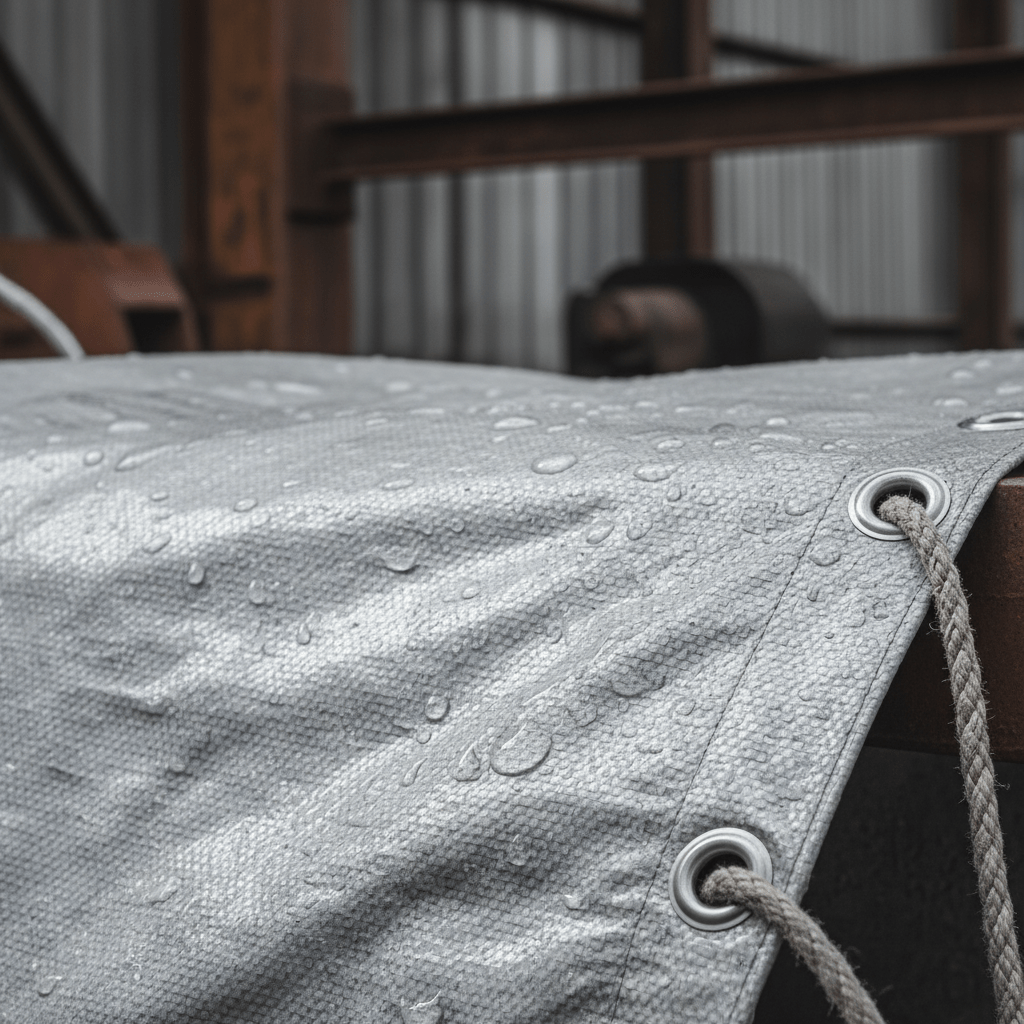
Have you ever seen a flatbed truck driving down the highway with a massive tarp tied over the cargo?
That tarp takes a beating. It’s getting hit with 60 mph winds, rain, and UV rays from the sun. If it rips, the cargo gets ruined.
Most of these heavy-duty tarps are made from waterproof canvas material. While modern plastics exist, treated duck canvas is still prized because it breathes a little bit. This prevents condensation from building up under the cover and rusting the metal underneath.
To make it waterproof, the canvas is often treated with wax or oil. Wax-based treatments are the primary eco-friendly option. It’s a simple solution that has worked for a hundred years. The water just beads up and rolls right off.
So, next time you see a construction tarp or a welder’s apron, give it a little respect. It’s doing a tough job.
Duck Canvas at Home: From Upholstery to DIY Projects
Okay, we’ve talked about welding sites and oil rigs. But let’s be real—sometimes the most dangerous environment for a fabric is a living room with two toddlers and a cat.
If you are tired of furniture that falls apart or pills after six months, you might want to look at what duck canvas material can do for your home.
It’s actually a secret weapon for interior designers who want that “farmhouse” look but need “industrial” strength.
The Ultimate Upholstery Solution
Here is why people love slipcovering sofas in this stuff: it doesn’t pill.
You know those annoying little fuzzballs that form on soft couches? That happens when loose fibers rub together. But because cotton duck fabric is woven so tightly, the fibers are locked down. They don’t have room to wiggle out and make a mess.
Plus, it gets softer every time you wash it.
If you are planning a DIY slipcover project, pay attention to the weight.
Stick to 10oz or 12oz. This is the sweet spot. It’s tough, but your standard home sewing machine can actually punch through it without exploding.
Go heavier (14oz+) only if you possess an industrial walking-foot machine. Otherwise, you’ll just be breaking needles all afternoon. For DIY upholstery… 12 oz duck canvas is the ideal weight.
Beyond the Sofa
It’s not just for sitting on. Because heavy duty canvas fabric is stiff, it has structure.
I’ve seen it used for laundry baskets that stand up on their own (no wire frame needed) and storage bins that don’t collapse when you look at them wrong.
Some people even use heavy numbered duck canvas for floorcloths. These are basically painted canvas rugs—an old-school trick from the 18th century that’s making a comeback because they are virtually indestructible.
For the Makers and Artists
If you have ever bought a pre-stretched canvas for painting, you’ve already used this material.
While linen used to be the go-to for old masters, cotton duck fabric became the standard because it’s smoother and more affordable. The tight weave gives painters a consistent surface that doesn’t distort the image. Duck canvas… has more tightly woven threads.
And for the side-hustlers making tote bags or aprons? This is your bread and butter.
Consistency is key here. If you are cutting fifty bags, you need the fabric to behave the same way every time. This is why professional makers often skip the craft store and go straight to suppliers like GNC Exports. Getting that industrial-standard uniformity means your sewing machine settings don’t have to change halfway through the roll.
Whether you are making a custom tool roll or just trying to cat-proof your favorite chair, this fabric usually wins.
Enhancing Performance: An Overview of Canvas Treatments
Raw duck canvas material is tough. We’ve established that.
But it has one major weakness.
It drinks water like a sponge.
If you wear a raw canvas jacket in a downpour, it will eventually soak through, get heavy, and make you miserable. And if you use untreated canvas for a boat cover? You’re inviting mold to move in.
That’s why a lot of the canvas you see in the wild isn’t just raw cotton. It’s been treated, coated, or bathed in something to give it superpowers.
Here are the main ways manufacturers upgrade the fabric.
The Classic: Waxed Canvas
This is the cool one.
Long before Gore-Tex existed, Scottish sailors figured out that rubbing linseed oil or wax onto their sails made them waterproof. Today, waxed duck canvas is huge in fashion and outdoor gear because it does two things:
It repels water: Rain just beads up and rolls off.
It looks incredible: As you use it, the wax cracks and creases. It develops a “patina,” kind of like good leather.
It’s not perfect, though. It doesn’t breathe very well, so you might get sweaty. But for bags and jackets, it’s hard to beat. Plus, using natural waxes specifically is a big deal right now because they are biodegradable. Wax-based treatments are the primary eco-friendly option compared to some of the chemical sprays out there.
The Industrial Standard: Fire Retardant (FR)
Okay, looking cool is nice. But sometimes, staying alive is better.
In factories where sparks are flying—like welding shops—you can’t just hang up a bedsheet. Cotton burns.
This is where specialized chemistry comes in. Manufacturers treat cotton duck fabric with chemicals that make it self-extinguishing.
If a spark hits it, the fabric might char a little, but it won’t burst into flames. In the industry, we look for labels like NFPA 701. That’s the code that says, “Yes, this passed the fire test.” Key standards for industrial canvas fire retardant materials… include NFPA 701.
This is exactly the kind of technical work that suppliers like GNC Exports handle. When a client needs 5,000 yards of fabric for safety curtains in a steel mill, they can’t rely on DIY treatments. They need factory-certified safety ratings.
Fighting the Rot: Mildew Resistance
If you leave a wet canvas tarp folded up in a warm garage, it’s going to get gross.
Mold eats cotton. It smells bad, and eventually, it rots the fabric until it falls apart.
For anything used on boats or outdoor furniture, you usually want waterproof canvas material that has added mildew inhibitors. It’s basically a shield that stops fungus from growing, even when things get damp and humid.
The Fashion Treatments: Stonewashing and Dyeing
Finally, sometimes we treat the fabric just to make it look old.
Brand new duck canvas is stiff and boardy. To fix this, fashion brands will “stonewash” it. They literally throw the fabric into giant industrial washing machines filled with pumice stones.
The stones beat up the fabric, softening the fibers and fading the color. It mimics ten years of hard work in about an hour.
So, whether you need it to stop a fire, shed rain, or just feel soft, there is a treatment that transforms this humble cloth into exactly what you need.
Choosing the Right Duck Canvas for Your Needs
So, now you know the secret.
That simple tan fabric isn’t just cloth—it’s an engineering marvel that’s been around since Dutch sailors needed better sails. Whether you call it duck canvas material or just “the tough stuff,” it all comes down to that tight, stubborn weave.
But before you rush out to buy a yard (or a thousand yards), ask yourself one question: What does this actually need to survive?
If you need flexibility—like for a jacket or a tote bag—stick to the higher numbers (like #10 or #12). It’s strong but won’t feel like you’re wearing wood.
But if you are building something that needs to fight the elements? You want the low numbers.
The heavy numbered duck canvas (#4 or #8) is where the real strength lives. Lower numbers produce heavier and stiffer fabrics. And if you are scaling up production—maybe you need 500 yards of waterproof canvas material for industrial covers—you can’t rely on guesswork.
This is where partners like GNC Exports shine. They provide the consistency and specialized treatments (like fireproofing or oil-waxing) that generic suppliers just can’t match.
Picking the right duck canvas weight is the difference between a project that lasts a month and one that lasts a lifetime.
So go ahead. Pick a number. And build something that lasts.
Contact Information
- Mon - Sat: 10:00am-7:00pm
- 4/32-33 Triveni Nagar , Meerpur Cantt , Kanpur-208004
- +91 9839708040 | +91 9936159591
- gncfabrics@gmail.com
Quick Links
- About Us
- Products
- Blog
- Contact Us
© 2024 GNC EXPORTS, All rights reserved. Developed by DIGI PEXEL
- Privacy Policy
- Terms & Conditions
- Cookies Policy