
The Ultimate Guide to Sustainable Fabric for Workwear: Performance, Durability & Eco-Innovation
Beyond the Basics: Why Your Choice of Workwear Fabric Matters More Than Ever
Imagine a garbage truck full of clothes. Now imagine dumping that truck into a landfill or setting it on fire. According to industry data, that happens roughly every single second. It’s a scary picture, right?
The textile industry is responsible for about 10% of all carbon emissions globally. That is actually more than all international flights and maritime shipping combined.
But we aren’t just talking about fast fashion trends here. We are talking about the fabric for workwear that keeps the world moving.
If you are the person in charge of buying uniforms, you know the struggle is real. For a long time, your job was pretty straightforward: find the toughest gear for the best price. Now? It’s a lot more complicated. You are probably trying to balance three heavy things at once:
Performance: Your team needs durable fabric for uniforms that won’t rip on the job.
Cost: You can’t blow the entire budget.
Sustainability: Your company (and the world) wants sustainable workwear materials.
It can feel like you have to pick between protecting your workers and protecting the planet. I’ve seen procurement managers stare at spreadsheets for hours trying to make the math work.
Here is the good news: you don’t have to choose anymore. The technology behind eco-friendly uniform fabrics has changed. We are seeing major innovations where green materials are tackling tough industrial jobs—something experts at places like GNC Exports have been focusing on for years.
In this guide, we’re going to look at choosing fabric for uniforms that saves money, lasts a long time, and cuts down on that waste. Let’s figure this out together.
The Hidden Costs of Conventional Workwear Fabrics
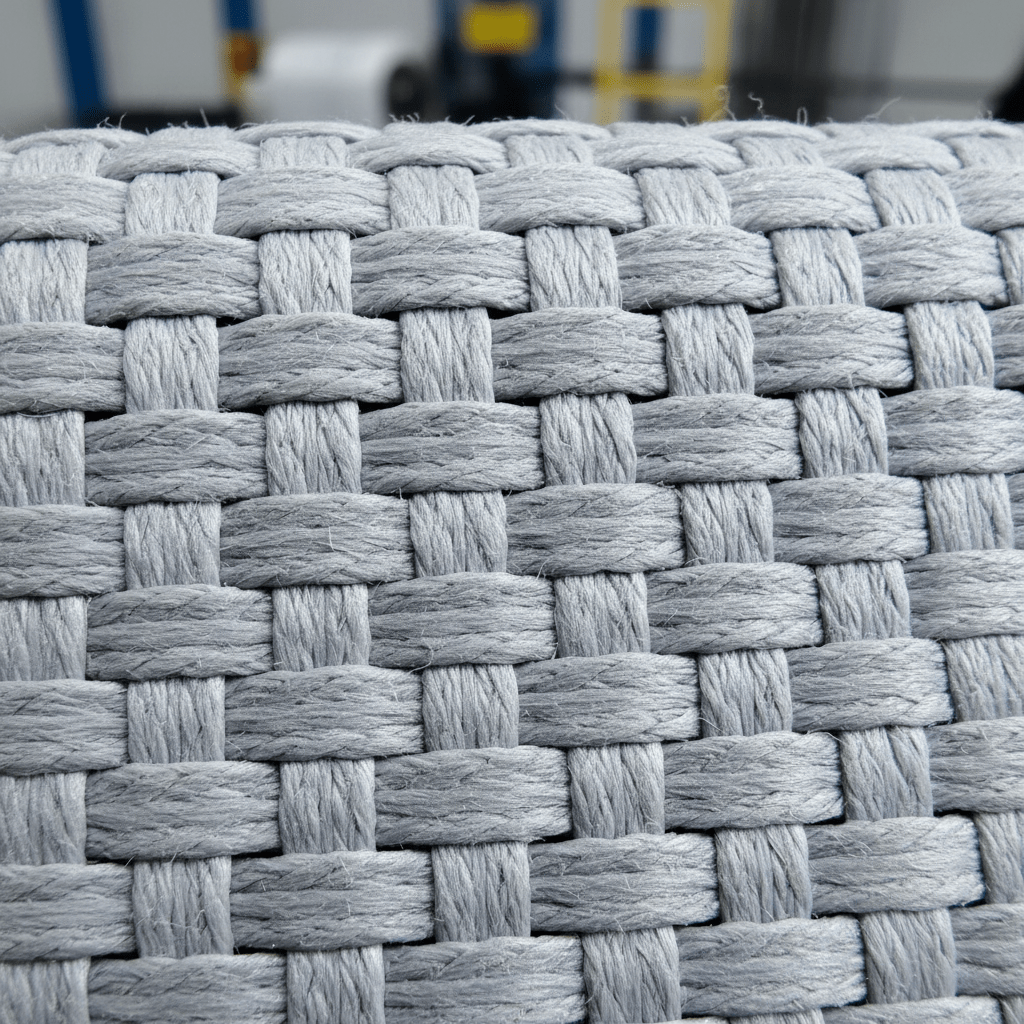
Most of us don’t look past the price tag when ordering team gear. It’s usually just a choice between “polyester” or “cotton.” But if we peel back the layers, the true cost of these standard materials is way higher than what shows up on the invoice.
Let’s be real—conventional fabric for workwear usually relies on two main players: petroleum-based synthetics and thirsty crops.
The Plastic Problem
Take standard polyester. It is the go-to for durable fabric for uniforms because it’s tough and cheap. But it is basically liquid fossil fuel spun into thread. It keeps us dependent on oil, which means the price of your uniforms fluctuates with the global oil market.
Plus, there’s the washing machine issue. Every time those heavy-duty synthetic uniforms get washed, they shed tiny microfibers. It turns out that laundering synthetic textiles is responsible for about 35% of all primary microplastics entering our oceans, according to microplastics data. That is roughly 500,000 tonnes of plastic fibers every year.
The Water Guzzler
Then there is conventional cotton. It feels natural, right? But regular cotton is incredibly thirsty. To grow just one kilogram of non-organic cotton—about enough for a shirt and pants—it takes approximately 10,000 liters of water.
Compare that to organic cotton, which can use as little as 900 liters for the same amount because it relies mostly on rainwater for cotton water usage. We are talking about a massive difference in resource drain.
Why This Bad for Business
So, why should a procurement manager care about how much water a plant drinks? These environmental issues are morphing into serious business risks.
When we stick to the old way of choosing fabric for uniforms, we expose our supply chains to some shaky ground:
Supply Chain Volatility: Climate events and oil prices are making raw materials harder to price and predict.
Operational Risk: Suppliers who aren’t updating their standards might face shutdowns or regulatory fines, leaving you without uniforms when you need them.
Reputation Hits: Employees notice poor quality. Cheap fabrics that don’t breathe well can actually lead to higher staff turnover—some reports suggest up to 12% staff loss can be tied to dissatisfaction with uncomfortable gear.
Industrial experts, like the team at GNC Exports, have seen this shift firsthand. The demand isn’t just for canvas that won’t rip; it’s for materials that don’t carry this heavy baggage.
Sticking with the status quo feels safe until it isn’t. The hidden costs are piling up, and usually, the buyer is the one left holding the bill for sustainable workwear materials corrections later on.
Defining 'Sustainable': A Framework for Evaluating Eco-Friendly Uniform Fabrics
Is it just me, or does the word “sustainable” feel a bit useless sometimes? It gets slapped on everything from coffee cups to fast fashion t-shirts. If you are trying to source sustainable workwear materials for a crew of fifty mechanics or a construction team, “green” marketing fluff isn’t going to cut it.
You need a BS detector.
When we look for eco-friendly uniform fabrics, we aren’t just looking for a sticker with a leaf on it. We need a framework. I like to break it down into three simple buckets. If a fabric supplier can’t answer these three questions, walk away.
1. Where did it come from? (The Source)
This is the starting line. Are we drilling for more oil to make virgin polyester? Or are we using what’s already here?
For example, the best material for work uniforms might be recycled polyester (often called rPET). It uses 30–50% less energy to produce than the new stuff. Or maybe it’s organic cotton. Remember that stat about water? Organic cotton can use up to 91% less water because it relies mostly on rain rather than irrigation pipes.
2. How was it made? (The Process)
This part is invisible, but it matters. It’s about the chemicals and the water used during manufacturing.
You can’t see toxic run-off in a finished shirt. That is why we rely on the alphabet soup of certifications. They are your best friends here:
Global Recycled Standard (GRS): This is a big one. It doesn’t just guess; it tracks recycled materials through the whole supply chain. To slap a GRS label on a product, it typically needs at least 50% recycled content.
OEKO-TEX STANDARD 100: This tests for harmful substances. If your team wears this stuff against their skin for 10 hours a day, you want this label.
GOTS (Global Organic Textile Standard): The gold standard for organic fibers.
3. How long does it last? (The Reality Check)
Here is the thing nobody talks about enough: Durability is the highest form of sustainability.
You can buy the most organic, fair-trade, cloud-soft cotton shirt in the world. But if it rips the first time a worker snags it on a piece of rebar, it is trash. And trash is not sustainable.
In the industrial world, longevity wins.
Think about it. The team at GNC Exports usually points this out—if you buy a heavy-duty canvas that lasts two years instead of a cheap fabric that lasts six months, you have just cut your consumption (and waste) by 75%. That is a massive impact.
So, when you are choosing fabric for uniforms, don’t just ask if it’s recycled. Ask if it’s tough. Ask about tensile strength. Ask if it can handle an industrial wash cycle without falling apart.
Because in our line of work, if it doesn’t perform, it doesn’t stay.
Recycled Synthetics: High-Performance Fabric for Workwear from Post-Consumer Waste

You know those plastic water bottles you toss in the recycling bin? There is a good chance they could end up as your next work uniform.
It sounds a bit like science fiction. But turning trash into high-performance fabric for workwear is happening right now. And honestly? It is one of the most practical changes we can make in the industry.
The Magic of rPET
The big name here is recycled polyester, or rPET. It starts with post-consumer waste. Usually, this means those clear plastic bottles. They get cleaned up, chopped into tiny bits, melted down, and spun into new thread.
Why bother doing all that?
Because making polyester from scratch requires oil. A lot of it. Using recycled plastic instead cuts energy use by anywhere from 30% to 50% compared to making new polyester energy savings data. That means fewer greenhouse gases going into the air.
Plus, you are helping keep plastic out of the landfill. Since we know the industry dumps a truckload of textiles every second, keeping these materials in use for longer is a huge win.
But Is It Tough Enough?
This is the first question every procurement manager asks me. “Sure, it is green, but will it rip the first time someone bends over?”
Here is the truth: Recycled polyester workwear is just as tough as the virgin version. It is chemically almost identical. It has the same tensile strength. It resists wrinkles. It holds color well, even after a hundred washes.
In fact, suppliers who understand industrial needs—like the experts at GNC Exports—often work with strong synthetic blends. They know that the best material for work uniforms has to survive grease, snags, and rough handling. When you add specialized treatments like water resistance or fire retardation to these fabrics, they become industrial powerhouses.
The Catch (Because There Is Always One)
I won’t lie to you. This isn’t a perfect solution.
While rPET helps solve the waste problem, it doesn’t solve the microplastic problem. Remember, synthetic laundering causes about 35% of all primary ocean microplastics. So when you wash that recycled vest, it still sheds tiny fibers just like regular polyester.
Also, it is hard to recycle it again. Once you turn a bottle into a shirt, turning that shirt back into another shirt is actually pretty tricky. We aren’t quite at a full circle loop yet.
Beyond Just Bottles
It’s not just polyester. We are starting to see recycled nylon options too. This usually comes from discarded fishing nets or industrial carpet waste. It is incredible for high-abrasion gear like heavy-duty bags or reinforcement patches on knees and elbows.
So, while it’s not the final answer to saving the planet, using recycled synthetics is a massive step up from drilling for more oil. It buys us time and saves resources while keeping your team safe.
Plant-Based & Bio-Synthetics: The Next Generation of Performance Workwear Textiles
You know how stiff new work pants usually feel? Or how a standard polo shirt starts to lose its shape after a month of heavy washing?
For years, we accepted this as the trade-off for durable uniforms. But the script is flipping. We are now seeing materials that feel like luxury pyjamas but perform like industrial gear.
This is where plant-based bio-synthetics come in.
I am not talking about organic cotton again. I am talking about science. We are looking at fibers engineered from wood pulp and plant sugars that are changing the game for corporate and hospitality teams.
The Wood Pulp Revolution: TENCEL and Lyocell
It sounds weird to wear wood, right? But TENCEL Lyocell is essentially that. It starts as wood pulp from sustainably farmed trees.
Here is why procurement managers are starting to love it: the production process is almost perfectly clean. Manufacturers use a closed-loop system. Imagine a water slide where the water never leaves the pool but just keeps cycling around.
With TENCEL, they recover and reuse up to 99.8% of the solvent and recycle 95% of the water used. Nothing gets wasted.
But does it work on the job?
Absolutely. If you have employees working double shifts in a hot hotel lobby or a busy restaurant, this stuff is magic. It manages moisture way better than cotton. It keeps skin dry. And unlike cotton, which can get raggedy pretty fast, these fibers are known to retain their softness even after repeated industrial washing.
The Stretchy Stuff: Bio-Based Polymers
Now, let us talk about stretch.
Usually, when we need durable fabric for uniforms that moves with the worker, we add Spandex. The problem? Spandex breaks down. It sags over time. After a few months, those fitted pants look baggy at the knees.
Enter bio-polymers like Sorona. Instead of relying entirely on petrochemicals, this material uses about 37% annually renewable plant-based ingredients like corn sugar. It has a natural mechanical stretch that bounces back. It does not bag out.
Why Switch for Corporate Wear?
If you are running a heavy industrial site, you might stick with the heavy-duty canvas that experts like GNC Exports specialize in. But if you are buying for customer-facing roles such as airlines, front desk staff, or sales teams, these bio-synthetics are the sweet spot.
Here is the quick comparison:
Comfort: They breathe better than polyester and feel smoother than cotton.
Appearance: They hold dye incredibly well, so your brand colors do not look washed out after three months.
Eco-Impact: You are cutting carbon emissions significantly compared to generic viscose or conventional synthetics.
Yes, the price tag per shirt is higher. But remember our longevity rule? If a bio-based polo shirt looks professional for 50 washes while the cheap cotton one looks tired after 15, you just saved money.
It is about choosing the right tool for the job. Sometimes that tool is a heavy canvas, and sometimes it is a wood-based fiber that keeps your team cool under pressure.
Introduction
Welcome to this blog article. This section serves as an introduction to the topic at hand, providing readers with a foundational understanding of what will be covered throughout the piece.
In today’s fast-paced world, staying informed and up-to-date is more important than ever. This article aims to break down complex ideas into digestible, actionable insights that readers can apply in their daily lives.
Key Takeaways
- Understanding the core concepts
- Applying knowledge in practical scenarios
- Building a foundation for further learning
Stay tuned as we dive deeper into each of these areas in the sections that follow.
Decision Matrix: How to Choose the Right Sustainable Fabric for Your Uniforms
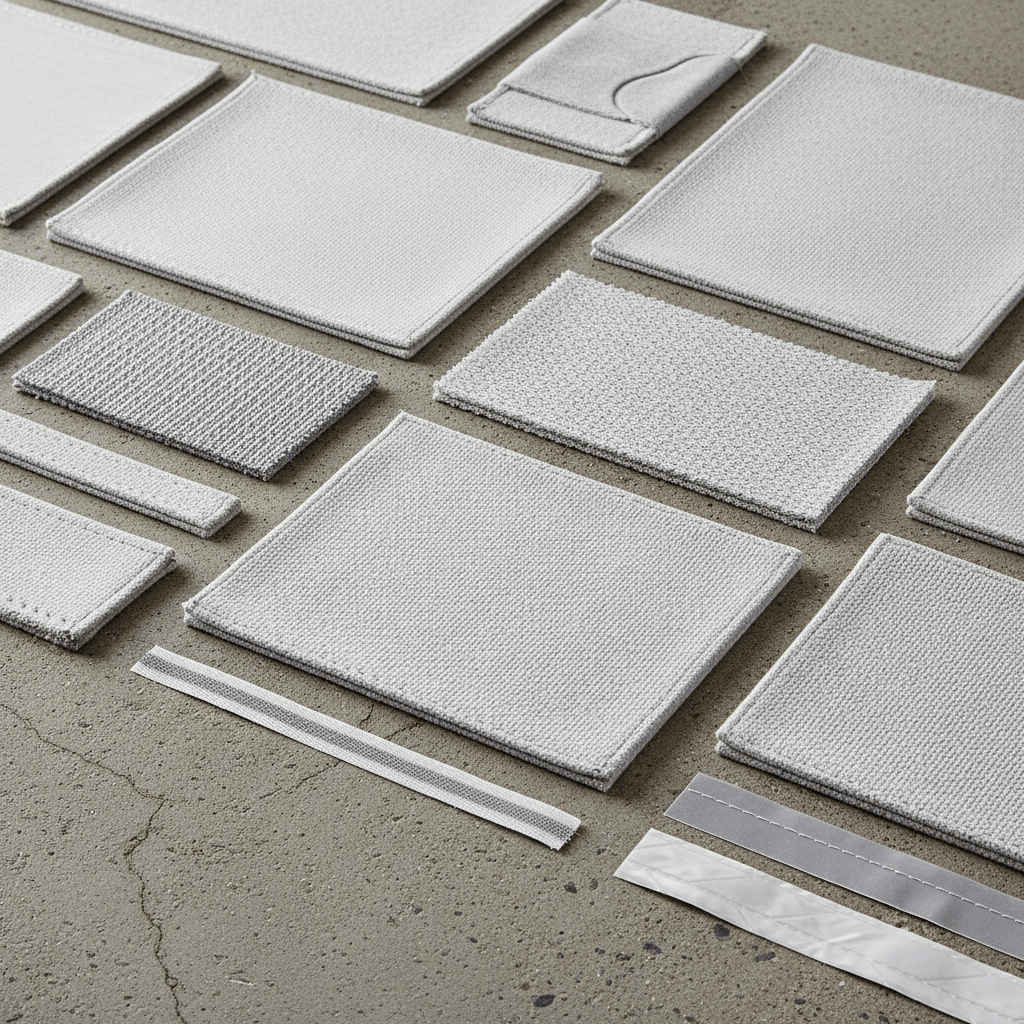
Okay, so we know the options. But how do you actually pick one without losing your mind along the way?
If you are a procurement manager, you probably have a spreadsheet open right now that looks scarier than a horror movie. You are trying to balance the budget, the planet, and the fact that Mike from the warehouse will complain if his shirt feels like cardboard.
It is tricky. Really tricky.
There is no single “perfect” fabric. A luxury hotel receptionist needs something totally different than a welder on an oil rig. To make this easier, let’s break it down by job role.
1. The Industrial & Safety Zone
Priorities: Protection, Durability, Safety Standards.
If your team is dealing with sparks, grease, or heavy machinery, sustainability usually takes a back seat to safety. You can’t wear a bamboo shirt to fight a fire.
Here, you need fabrics that meet specific rules. For example, high-visibility gear often needs to meet ANSI/ISEA 107-2020 standards. This breaks safety gear into classes (like Class 3 for high-risk jobs) based on how much background and reflective material is used hi-vis standards.
The sustainable win here isn’t usually about switching to soft organic cotton. It’s about finding sustainable workwear materials that are tough as nails. This is where companies like GNC Exports shine—taking heavy-duty canvas or polyester blends and applying specialized treatments (like fire retardants or water-proofing) so they last for years instead of months. Remember, replacing a jacket every three years instead of every year is a huge green victory.
2. The Corporate & Service Zone
Priorities: Comfort, Appearance, Breathability.
Think front desk staff, sales teams, or airline crew. These people are walking billboards for your brand. If their shirt is wrinkled or they are sweating through it, it looks bad.
For these roles, plant-based bio-synthetics (like Tencel) or recycled blends are the sweet spot. They drape well and handle moisture better than cotton.
The Cheat Sheet: Fabric Comparison Guide
I put together this quick scorecard to help you compare the big players. I rated them on a scale of 1 to 5 (where 5 is the best performance or lowest maintenance).
Note for Cost: 1 is very cheap, 5 is very expensive.
Fabric Type | Durability | Comfort | Sustainability Score | Cost | Ease of Care |
Conventional Cotton | 3 | 4 | 1 | 2 | 3 |
Virgin Polyester | 5 | 2 | 1 | 1 | 5 |
Recycled Polyester (rPET) | 5 | 2 | 4 | 3 | 5 |
Organic Cotton | 3 | 5 | 4 | 4 | 3 |
TENCEL / Lyocell | 4 | 5 | 5 | 5 | 4 |
Heavy-Duty Treated Canvas | 5 | 3 | 3 | 3 | 4 |
How to Buy Without Getting Burned
Picking the fabric is step one. Step two is finding a supplier who isn’t just telling you what you want to hear.
I’ve seen plenty of “green” claims that fall apart the second you ask for proof. Here is how to protect your business:
1. Ask for the Papers
Don’t take their word for it. If they say it’s recycled, ask for the Global Recycled Standard (GRS) certificate. This proves the material actually has recycled content (usually at least 20-50% to get the label). If they can’t show you the paper, walk away.
2. The “Touch Test” (Pilot Programs)
Before you order 5,000 uniforms, order 50. Get your team to wear them. Wash them. Grind them into the dirt.
A huge risk for businesses right now is staff turnover. Some reports show that poor quality uniforms can contribute to staff dissatisfaction—a retail chain actually saw a 12% staff loss tied partly to uncomfortable gear. That turnover costs way more than a slightly better shirt.
3. Look at the Real Price Tag
Yes, sustainable options cost more upfront. A standard poly-cotton polo might cost you around $19 at retail, while a sustainable Tencel blend could be double that polo pricing.
But if the cheap shirt looks raggedy after 20 washes and the sustainable one looks sharp for 50 washes, the expensive shirt is actually cheaper in the long run.
So, don’t just look at the invoice price. Look at how long it stays on the employee’s back.
Weaving Sustainability into Your Brand's Future
Let’s be honest. Switching to sustainable workwear materials isn’t just about feeling good or ticking a box for a corporate report. It is a smart business move.
When you pick eco-friendly uniform fabrics, you aren’t just saving water or cutting carbon (though the planet appreciates it). You are building a brand that employees are proud to wear. You are fixing supply chain risks. And if you choose the best material for work uniforms—the kind that actually lasts—you are saving serious money on replacements.
We realized something important here: there is no single “magic” fabric. A mechanic needs heavy-duty protection, while a front-desk agent needs breathable comfort.
The goal isn’t perfection. It’s progress.
So, what should you do on Monday morning? Here is a simple game plan to get started without getting overwhelmed:
Check Your Closet: Look at your current gear. How fast does it wear out? If you are replacing shirts every three months, that is your first problem to fix.
Grill Your Supplier: Send an email. Ask for certifications like GRS. Ask where the material comes from. If they can’t answer, it might be time to look for experts like GNC Exports who understand that durable fabric for uniforms is the only kind that matters in the long run.
Try Before You Buy: Do not bet the farm on day one. Request samples of 2-3 workwear fabric innovations. Get your team to wear them, wash them, and try to destroy them.
Choosing fabric for uniforms used to be boring. Now, it is one of the most powerful ways to future-proof your business. The technology is here. The math works.
The rest is up to you.
Contact Information
- Mon - Sat: 10:00am-7:00pm
- 4/32-33 Triveni Nagar , Meerpur Cantt , Kanpur-208004
- +91 9839708040 | +91 9936159591
- gncfabrics@gmail.com
Quick Links
- About Us
- Products
- Blog
- Contact Us
© 2024 GNC EXPORTS, All rights reserved. Developed by DIGI PEXEL
- Privacy Policy
- Terms & Conditions
- Cookies Policy