
PVC Coated Fabric Market Analysis: Current Trends and Future Forecasts (2024-2030)
Introduction: Navigating the Dynamic Landscape of the PVC Coated Fabric Market
You might not think about it often, but pvc coated fabric is basically holding the modern world together. From the side of the 18-wheeler passing you on the highway to the massive temporary structures at music festivals, this stuff is everywhere. In fact, some research puts the market value for just 2024 anywhere between USD 2.03 and 4.73 billion. That is a whole lot of heavy-duty material.
But here’s the thing. If you are the one in charge of buying these materials—maybe for waterproof vinyl tarpaulin or protective gear—you know it’s not always easy. Prices change constantly. Supply chains get messy. And figuring out which pvc fabric manufacturers are actually reliable? That takes work.
We get it. At GNC Exports, we deal with these industrial fabrics every single day, so we know the struggle first-hand. That’s why we put this guide together. We are going to look closely at the pvc coated polyester analysis, break down the big trends for 2024-2030, and help you figure out where the future of coated textiles is heading so you can make smarter buying decisions.
1. Understanding the Fundamentals: What is PVC Coated Fabric and Why is It Essential?
Let’s strip away the fancy industry talk for a second. At its core, pvc coated fabric is like a superhero suit for ordinary textiles.
You start with a base layer—usually polyester or nylon—which provides the muscle and strength. Then, you bond it with Polyvinyl Chloride (PVC). This isn’t just slapped on; it’s an intricate process. Manufacturers typically use something called “knife coating” (where a blade spreads the liquid PVC precisely over the material) or “dip coating” (where the fabric takes a bath in the coating agent).
The result? You get a material that refuses to quit.
We aren’t just talking about it being waterproof—though that’s a huge part of it. This process unlocks heavy-duty pvc fabric applications that can handle extreme punishment. We’re talking about UV resistance so it doesn’t crack in the sun, flame retardancy for safety, and enough toughness to resist nasty chemicals.
Actually, the durability is kind of mind-blowing.
According to manufacturing data, the specific coating method—especially knife coating—ensures the PVC bonds so tightly that it creates “real coated” tarpaulins capable of weathering storms that would shred lesser materials.
For businesses, this translates to one thing: peace of mind. Whether you are covering a flatbed truck with a waterproof vinyl tarpaulin or setting up a massive event tent, you know your assets are safe. At GNC Exports, we see this firsthand. Our clients don’t just buy fabric; they buy insurance against the elements. If the material fails, the cargo gets ruined. It’s that simple.
So, when we look at the value here, it’s not just about buying a roll of fabric. It’s about longevity. It’s about knowing that the protective clothing your team wears or the architectural membrane on that new building is going to do its job, day in and day out.
2. The Current State of the Global PVC Coated Textile Market

Okay, let’s talk numbers. Because if you are investing in pvc coated textile market materials, you need to know what you are getting into.
The market for this stuff is huge. Actually, “huge” might be an understatement.
Analysts have been crunching the numbers for 2024, and while they don’t all agree on the exact dollar amount, the consensus is clear: it is a multi-billion dollar industry. Some reports value the global market at around $2.03 billion, while others estimate it as high as $4.73 billion right now.
And it is not slowing down.
Looking ahead, forecasts suggest we could see this number climb to nearly $6 billion by 2031. That is steady growth, year after year.
Where Is All This Fabric Going?
You might be wondering who is buying all these rolls of vinyl.
Turns out, most of it ends up on the highway. Transportation is the undisputed king here. We are talking about truck covers, side curtains for trailers, and those heavy-duty tarps you see flapping on the interstate. This segment alone grabs nearly 40% of the entire market share.
But construction isn’t far behind.
Builders love this stuff. They use it for everything from massive tensile architectures (think airport roofs or stadium coverings) to temporary shelters. Construction applications take up roughly 32% of the market share.
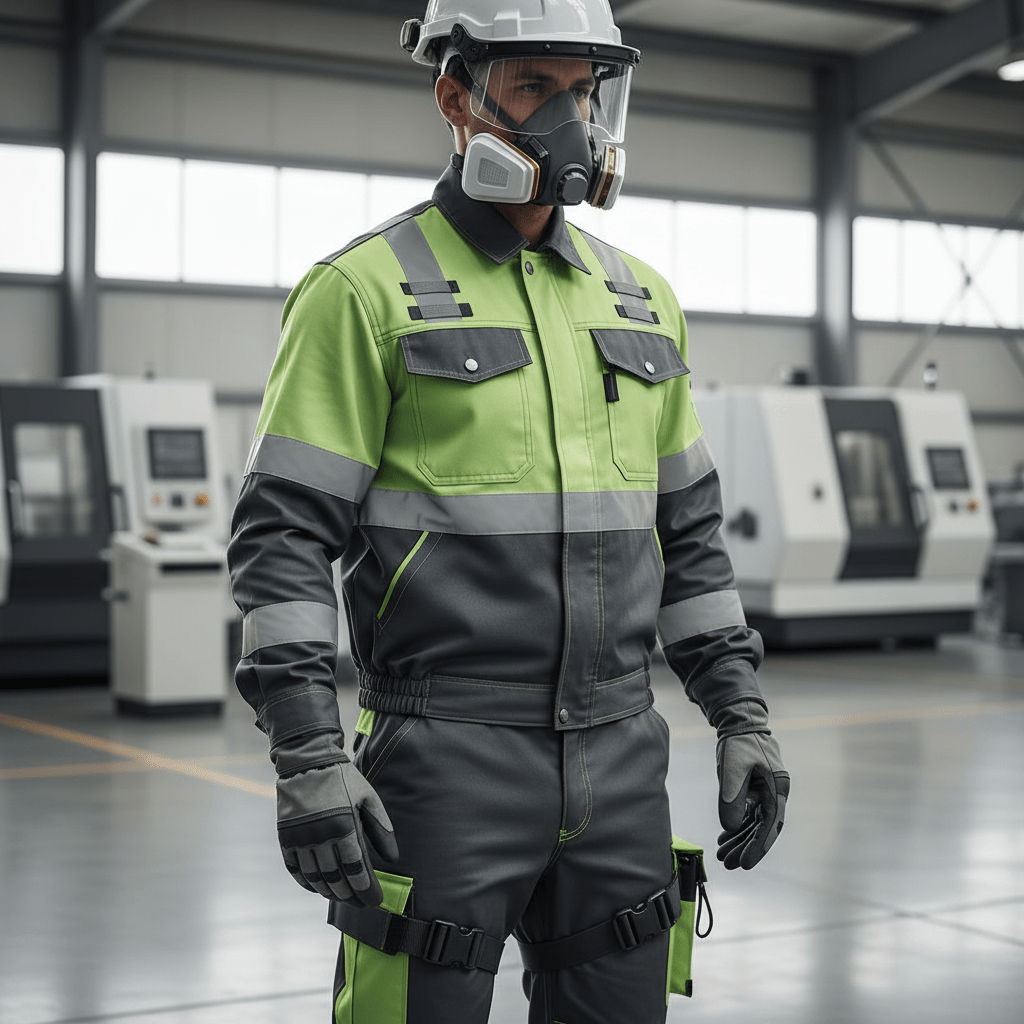
Then you have smaller, focused segments like protective clothing—chemical suits and high-vis gear—which make up about 15%. It’s a smaller slice, but a critical one for safety.
Who Are the Big Players?
If you have tried sourcing pvc fabric manufacturers, you know the list is long. The market is pretty fragmented, meaning there isn’t just one giant company running the whole show.
Instead, you have regional powerhouses battling it out.
In Europe, you have heavy hitters like Sioen Industries (Belgium) and Serge Ferrari (France). Over in the US, companies like Seaman Corporation have been in the game for decades. Then you have SRF Limited making big moves out of India .
Here’s the tricky part for buyers.
With so many manufacturers—plus a flood of new options coming from Asia—knowing who to trust is tough. A spec sheet might look the same, but the actual performance in the rain or sun? That varies wildly.
At GNC Exports, we help our clients cut through that noise. We know which mills deliver consistent quality and which ones just have good marketing. Because finding a supplier is easy. Finding the right one? That’s the challenge.
3. Key Market Drivers Fueling Demand for PVC Coated Fabric
So, why is the pvc coated textile market suddenly exploding? Is everyone just really into shiny fabrics?
Not exactly.
The truth is, the world is building stuff—and moving stuff—faster than ever before. And when you build or move things, you need protection. That is where these fabrics come in. They aren’t just a “nice to have” anymore; they are doing the heavy lifting for major global industries.
The Global Construction Boom
First off, look at the skylines. From sports stadiums with those cool, sweeping white roofs to massive airport terminals, heavy-duty pvc fabric applications are changing how we build.
It makes sense. Traditional materials like steel and concrete are heavy and expensive to move. PVC coated polyester? It’s lightweight, cheaper to transport, and incredible at handling tension.
Actually, the numbers backing this up are staggering.
Experts say we need to spend about $94 to $106 trillion on global infrastructure by 2040 to keep up with meaningful changes. That includes bridges, roads, and commercial buildings. A huge chunk of that money is going toward materials that can last a long time without needing constant repairs.
We see this a lot at GNC Exports. Builders aren’t just looking for canvas anymore; they want engineering-grade fabrics that can withstand ten years of bad weather.
The unending need to move “stuff”
Think about the last thing you ordered online. It probably came on a truck, right?
As e-commerce keeps growing, the logistics industry is scrambling to keep up. More packages mean more trucks on the road. And every single open flatbed truck needs a reliable cover to keep your cardboard box from turning into mush.
This is driving a massive demand for waterproof vinyl tarpaulin.
It’s not just about keeping rain off. These covers need to handle 70 mph winds, harsh sun, and road grime. The investment needed for transport infrastructure alone is estimated at $36 trillion through 2040 [[2]](https://outlook.gihub.org). That is a lot of trucks, and a lot of fabric.
Safety Clothing is Getting Serious
Lastly, there is the human element.
Workplaces are getting stricter about safety—which is a good thing. But it means the old cotton overalls don’t cut it anymore for dangerous jobs.
Industries dealing with chemicals, oil, or extreme heat are switching to advanced protective gear. They need materials that acids basically bounce off of.
This “protective clothing” segment is actually one of the fastest-growing parts of the market. It’s projected to jump by over 7% annually.
Whether it’s a high-vis jacket for a road worker or a chemical suit for a lab tech, the demand is real. And for us manufacturers, it means we have to stay on our toes, ensuring every yard of fabric meets those tight safety standards.
4. Innovations Shaping the Future of Coated Textiles

If you think pvc coated polyester analysis is just about looking at the same old materials we used twenty years ago, think again.
The industry is waking up. For a long time, the conversation around PVC was pretty standard—make it strong, make it waterproof, and make it cheap. But lately? The script has flipped. We are seeing changes in the lab that are changing what lines the shelves.
The “Green” Shift is Finally Happening
Let’s be real. Plastic doesn’t exactly have the best reputation when it comes to the environment. But pvc fabric manufacturers are working hard to change that narrative.
The biggest buzzword right now? “Phthalate-free.”
Regulations are tightening up everywhere, especially in Europe and North America. Buyers are asking for safer, cleaner chemical profiles. In response, chemists are swapping out the old harsh chemicals for bio-based alternatives. We are talking about plasticizers made from things like vegetable oils instead of crude oil.
It sounds small, but the impact is massive.
Some manufacturing data shows that using bio-attributed PVC—essentially mixing in renewable feedstocks—can reduce carbon emissions by nearly 58% compared to traditional methods. That is a huge selling point if you are trying to meet corporate sustainability goals.
Smart Fabrics Are No Longer Sci-Fi
This is where it gets really cool.
Imagine a waterproof vinyl tarpaulin that cleans itself. It sounds like magic, but it’s actually chemistry. Innovators are adding microscopic coatings—specifically something called titanium dioxide (TiO2)—to the surface of the fabric.
Here is how it works: when sunlight hits the fabric, it triggers a reaction that breaks down organic dirt and grime. Then, the next time it rains, the water just washes the mess away.
For heavy-duty pvc fabric applications like big architectural tents or hard-to-reach stadium roofs, this is a game-changer. Nobody wants to climb up there to scrub the roof, right?
Plus, we are starting to see sensors emerging in the pvc coated textile market. Imagine a grain cover that can tell you if the temperature is rising inside, or a truck tarp that alerts the driver if someone slashes it. The future of coated textiles is definitely getting smarter.
Manufacturing is Getting Leaner and Faster
The way we make this stuff is changing, too.
Old-school coating can be messy and energy-intensive. But new techniques are cutting down on waste. We are seeing more solvent-free processes that keep the factory air cleaner and reduce costs.
And then there is digital printing.
It used to be that if you wanted a logo on a truck side curtain, it was a pain. Now, high-tech digital printing allows for incredible customization directly on the production line. You can turn a boring safety barrier into a full-color advertisement without destroying the fabric’s integrity.
At GNC Exports, we love seeing these polyvinyl chloride fabric trends. Why? Because while the coatings get fancier, they still need a rock-solid base fabric to hold onto. Whether it’s our heavy-duty polyester or cotton canvas, we provide the foundation that lets these new technologies shine.
5. Regional Market Analysis: A Continent-by-Continent Outlook
Depending on where you look on the map, the story changes. The pvc coated textile market isn’t moving at the same speed everywhere. Different regions have different priorities, and if you are sourcing materials globally, you need to understand the local flavor.
Let’s break down the three big players.
Asia-Pacific: The Engine Room
If you want to see where the growth is, look East.
The Asia-Pacific (APAC) region is exploding right now. Actually, it is the fastest-growing market on the planet for these materials. Why? It comes down to two things: urbanization and manufacturing.
Countries like China and India are building continuously. They need massive amounts of waterproof vinyl tarpaulin for construction sites, temporary housing, and infrastructure projects. Plus, since so much of the world’s manufacturing happens here, there is a huge local demand for industrial fabrics to support factories and logistics.
Reports show that this region will likely hold the dominant share of the market through 2025, largely because of the sheer volume of construction happening in developing economies.
North America: The Heavy-Duty Incumbent
While Asia is growing fast, North America is where the big money is currently sitting.
The US market is mature, but it is demanding. Buyers here aren’t just looking for cheap tarps; they want heavy-duty pvc fabric applications that meet very specific, tough standards.
Think about the military and the trucking industry.
In North America, the transportation sector drives a huge chunk of the demand. Trucks need side curtains that can survive thousands of miles of highway driving. The military needs covers that won’t fail in the desert.
Also, safety rules here are strict. The Consumer Product Safety Improvement Act (CPSIA) means you can’t just import any cheap vinyl. It has to pass safety checks. Because of this, the market here leans heavily toward high-performance, certified materials rather than just the lowest bidder.
Europe: Rewriting the Rulebook
Then you have Europe.
If North America is about strength, Europe is about sustainability. This region is pretty much setting the global agenda for polyvinyl chloride fabric trends when it comes to the environment.
Regulations like REACH (which restricts hazardous chemicals) forced manufacturers here to get creative years ago. You see a lot of push for “green” PVC and recycling initiatives here.
Companies like Sioen Industries and Serge Ferrari are based here, and they are constantly tweaking their formulas to meet tight environmental standards while keeping the fabric strong. For buyers, this means if you need eco-friendly credentials for a project—say, an architectural membrane for a green building—Europe is often where the innovation starts.
It’s interesting to watch.
At GNC Exports, we have to juggle these different needs daily. A client in Texas might ask about tensile strength for a truck cover, while a buyer in Germany asks about chemical composition and recyclability. Understanding these regional differences is the only way to make sure you get the right fabric for the job.
6. Headwinds and Restraints: Challenges Facing the PVC Coated Fabric Industry
Everything we’ve said so far sounds pretty great, right? The market is growing, the tech is improving, and the demand is high. But we would be lying if we said it was all smooth sailing.
There are some real bumps in the road for the pvc coated textile market.
The Environmental Elephant in the Room
First, let’s talk about the big one: the environment.
PVC is plastic. And right now, plastic is under a microscope. The main issue isn’t just making the stuff; it’s getting rid of it when you are done. Recycling heavy-duty pvc fabric applications is incredibly tough.
See, pvc coated fabric is a composite material. You have the polyester mesh inside and the vinyl coating on the outside. Separating them is like trying to un-bake a cake. Because of this complexity, a lot of material ends up in landfills rather than being reused.
Actually, the numbers are a bit of a wake-up call. In the United States, PVC recycling rates were stuck at just 27% in 2024.
Then you have the chemical concerns.
Regulators—especially in Europe—are cracking down on the plasticizers that make the fabric flexible. This puts pressure on pvc fabric manufacturers to stop using traditional chemicals and switch to safer, bio-based alternatives. It’s the right thing to do, but it adds cost and complexity to the manufacturing process.
The Price Rollercoaster
If you buy these materials, you know the pain of price fluctuations.
Since the “V” in PVC stands for Vinyl (which comes from ethylene), and the polyester base comes from petroleum, the entire industry is tied to the oil market. And we all know how unpredictable gas prices can be.
When oil prices jump, the cost of making waterproof vinyl tarpaulin jumps with it.
For buyers, this volatility is a nightmare. It makes it really hard to budget for long-term projects when you don’t know if the raw material cost is going to spike by 15% next month. At GNC Exports, we work hard to buffer our clients from these shocks, but the market reality is always there.
The New Kids on the Block
Finally, PVC isn’t the only option anymore.
Newer materials are trying to steal the spotlight. You might have heard of Thermoplastic Polyurethane (TPU) or silicone-coated fabrics.
Why would someone switch?
Well, these alternatives are often lighter and don’t rely on the same chemical plasticizers. With the global push to go “PFAS-free,” some high-end projects are moving toward these options despite the higher price tag. This creates real competition for the future of coated textiles.
But here is the thing. Despite these challenges, PVC works. It is still the king of reliability and cost-effectiveness. The key is knowing how to pick the right material that balances performance with these evolving standards.
7. Future Forecast (2024-2030): A Strategic Outlook for Stakeholders
So, grab your crystal ball. Where is all this actually going?
If you are holding the budget for materials, you need to know if this industry is shrinking or growing. The good news? It is definitely growing.
When we dig into the pvc coated polyester analysis and look at the projections, the path forward is steady. It’s not an overnight gold rush, but it is reliable, long-term growth. Experts predict the market will grow by about 3% to 5% every single year through 2030.
Depending on which report you read, that puts the global market value somewhere near $6 billion by the start of the next decade.
That is a lot of truck curtains and tent fabric.
What (and Who) Will Drive Business?
Not every sector is moving at the same speed. If you want to know where the future of coated textiles is headed, follow the safety regulations and the delivery trucks.
- Transportation is still the boss.
With the rise of electric vehicles (EVs) and the logistics needed to move their parts, the demand for high-quality transport covers is staying strong. We are seeing forecasts that put transportation at over 33% of the total market share by 2025 [[2]](https://www.accio.com/business/pvc-fabric-trends).
- Protective Clothing is sprinting.
This is actually the fastest-growing segment. We are talking about growth rates around 7.5% annually. Why? Because governments are getting stricter about worker safety. Companies need tougher, chemical-resistant gear, and pvc coated textile market innovations are the only way to meet those specs.
Strategic Moves for Smart Buyers
So, what should you do with this information?
If you are sourcing materials, sitting still is a bad idea. The polyvinyl chloride fabric trends are changing how pvc fabric manufacturers operate, and you need to adapt your buying strategy.
First, prioritize sustainability, but verify it.
Don’t just take a supplier’s word for it. Look for partners who are actively investing in recycling-compatible designs or bio-attributed PVC. The pressure to go “green” is only going to get heavier, especially if you sell into Europe or North America.
Second, look for value-add features.
Basic waterproof vinyl tarpaulin is great, but what about self-cleaning coatings? Or thermal resistance? Investing a little more upfront for materials that last longer or stay cleaner can save your budget in the long run.
Third, diversify your supply chain.
We saw what happened during the last few years when supply chains broke. Don’t put all your eggs in one basket. Working with a global exporter—like us at GNC Exports—gives you access to different markets and options. We specialize in those custom tweaks, like specific fire retardant ratings or oil-wax finishes, that generic mills might skip.
Ultimately, the market is strong. But the winners over the next decade won’t just be the ones buying the cheapest fabric. They will be the ones buying the smartest fabric.
Conclusion: Capitalizing on the Evolution of the PVC Coated Fabric Market
We have covered an absolute ton of ground here. From the chemical bonds in a pvc coated polyester analysis to the massive infrastructure projects driving demand, one thing is pretty clear.
This industry is not slowing down.
Actually, it is evolving faster than most people realize. While the pvc coated textile market is projected to keep climbing—potentially hitting that $6 billion mark by the start of the next decade—the way it climbs is changing.
The drivers seem familiar: construction needs to build things, and logistics needs to move things. Especially in the Asia-Pacific region, where the hunger for materials is massive. But the rules of the game? Those are new.
The future of coated textiles isn’t just about making things stronger. It is about making them smarter and cleaner.
We are seeing a huge shift where heavy-duty pvc fabric applications have to meet strict environmental standards while still performing under brutal conditions. Buyers who ignore this—who just chase the lowest price per yard—are going to run into trouble. Whether it is regulatory fines or just buying a tarp that fails six months too soon, the cost of “cheap” takes a toll.
So, where do you go from here?
You need to audit your supply chain. Ask the tough questions. Is your waterproof vinyl tarpaulin actually phthalate-free? Can your supplier handle the volume if your demand doubles next month?
At GNC Exports, we help businesses navigate these questions every day. We don’t just sell fabric; we help you build a strategy that works for the long haul. Whether you need custom oil-waxed canvas or the latest industrial PVC, we connect you with the quality you need to stay competitive.
The market is moving. Make sure you are moving with it.
Contact Information
- Mon - Sat: 10:00am-7:00pm
- 4/32-33 Triveni Nagar , Meerpur Cantt , Kanpur-208004
- +91 9839708040 | +91 9936159591
- gncfabrics@gmail.com
Quick Links
- About Us
- Products
- Blog
- Contact Us
© 2024 GNC EXPORTS, All rights reserved. Developed by DIGI PEXEL
- Privacy Policy
- Terms & Conditions
- Cookies Policy