
A Comprehensive Guide to Industrial PVC Tarpaulin Applications
Introduction: The Unsung Hero of Asset Protection in Modern Industry
You know that sinking feeling when you walk onto a job site and find expensive equipment soaked? Or seeing a stockpile of materials ruined by dust? It’s frustrating. And expensive.
Actually, in the first half of 2025 alone, global natural disasters caused around $131 billion in losses. That is a huge amount of wasted money. Much of that comes from storms and weather events that rip through unprotected sites.
But here’s the thing—you don’t have to leave your assets to chance. The solution is often as simple as using the right pvc tarpaulin. These aren’t those flimsy blue sheets you buy at the hardware store that tear if you look at them wrong. We’re talking about heavy-duty PVC Tarps and pvc coated tarpaulin fabric designed to take a beating.
In this helper guide, we’re going to figure out exactly what makes these industrial pvc covers so tough. We’ll look at the benefits (like why you need a waterproof pvc tarp) and real-world ways industries use them. Let’s get started.
But here’s the thing. Today’s polyester is a whole different story. This material is everywhere. In fact, it’s a huge deal in the world of fabrics, making up nearly 57% of all fibers produced globally. Chances are, a lot of your own clothes contain some polyester. So, it’s worth knowing what you’re actually wearing.
We get that it can be confusing. That’s why we put together this simple guide. We’re here to clear the air and give you the real scoop on polyester fabric. Let’s look at how it actually stacks up against other common materials you know, like cotton, wool, silk, rayon, and nylon. By the end, you’ll be able to look at any clothing label and know exactly what you’re getting.
What Exactly is PVC Tarpaulin? Understanding the Core Material
You might think a tarp is just a sheet of plastic. But there is a huge difference between the crinkly blue stuff and real industrial pvc covers.
Think of pvc coated tarpaulin like a sandwich. In the middle, there is a strong mesh made of polyester. This is the “bones” of the fabric. Then, manufacturers coat both sides with liquid PVC (Polyvinyl Chloride). This outer layer acts like a shield.
See, PVC has a special chemical makeup. It uses something called “polar chlorine atoms” that act like super-glue at a microscopic level PVC chemical properties. This makes the material incredibly tough and hard to tear. It creates heavy-duty PVC Tarps that can take a beating.
Here is how it stacks up against other types:
- PE (Polyethylene): These are the cheap blue tarps. They usually last 6 months to 3 years before the sun ruins them.
- Canvas: This is essentially heavy cotton. It’s tough, but it can rot if it stays wet.
- PVC: High-quality PVC can last 5 to 15 years outdoors lifespan comparison data. It creates waterproof pvc tarps that rain just bounces off of.
When you look at pvc tarpaulin specifications, you will see two weird terms:
- GSM (Grams per Square Meter): This just links to the weight. A higher number means a thicker, heavier tarp.
- Denier: This measures the thickness of the thread in that middle mesh layer. Higher denier means stronger bones.
Because of this tough build, uv resistant tarpaulin material like this is perfect for all sorts of vinyl tarp applications. It stops the sun from turning your cover brittle.
Key Advantages: Why Industries Choose Heavy-Duty PVC Tarps
You don’t buy a tarp just because it looks nice. You buy it because you have something valuable to protect. And when the weather turns bad, you need to know your cover will actually work.
Remember that huge loss number? In just the first half of 2025, natural disasters caused about $131 billion in damages. A lot of that money went down the drain because storms wrecked things that weren’t covered properly.
This is where heavy-duty PVC Tarps shine. They are the top choice for businesses for a few simple reasons. Here is why industries trust them over the cheaper options.
1. It Stops Water Cold
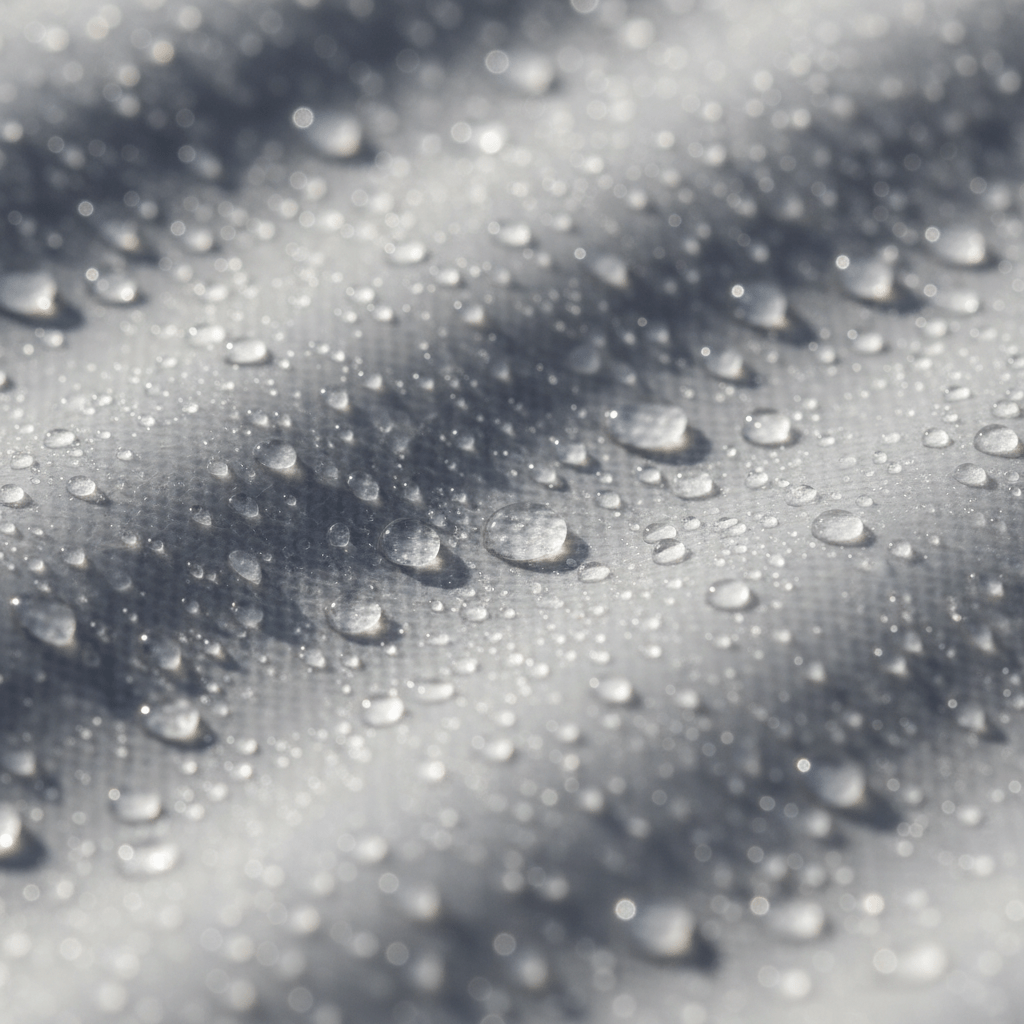
First off, pvc coated tarpaulin is 100% waterproof. Not water-resistant. Waterproof.
If you pour a bucket of water on canvas, it eventually soaks through. If you pour it on a cheap woven sheet, it might leak. But with PVC, the water just sits there or slides off. This is a big deal for industrial pvc covers.
Thinking about shipping goods across the ocean? Salt spray and heavy storms are constant. Does the water get in? No. It keeps expensive machinery and dry goods safe.
2. Tough as Nails
Have you ever tried to rip a cheap blue tarp? It is pretty easy once a small hole starts. PVC tarpaulin specifications show a much different story.
Because of those special atoms we talked about earlier, the chemical bond is super strong molecular structure details. It acts like microscopic superglue holding everything together. Plus, reliable manufacturers like GNC Exports use a verified polyester mesh core.
This means pvc tarpaulin uses include covering sharp loads on trucks without ripping. It stops punctures too. If a sharp corner of a crate pokes it, that inner mesh holds tight.
3. Fights the Sun and Chemicals
The sun is actually a tarp’s worst enemy. UV rays cook plastic until it cracks and falls apart.
But high-end uv resistant tarpaulin has special stabilizers mixed right in. While a regular tarp might die in 6 months, good PVC can last 5 to 15 years outside durability comparison. Imagine leaving a cover in the hot sun for three summers. Most covers would turn to dust. Waterproof pvc tarps just keep working.
Also, it fights off chemicals. If oil or grease spills on it in a factory, you just wipe it off. It resists mild acids and alkalis too. This makes it perfect for all kinds of dirty vinyl tarp applications. You basically buy it once, and it does the job for a decade.
Application Deep Dive 1: Construction & Engineering
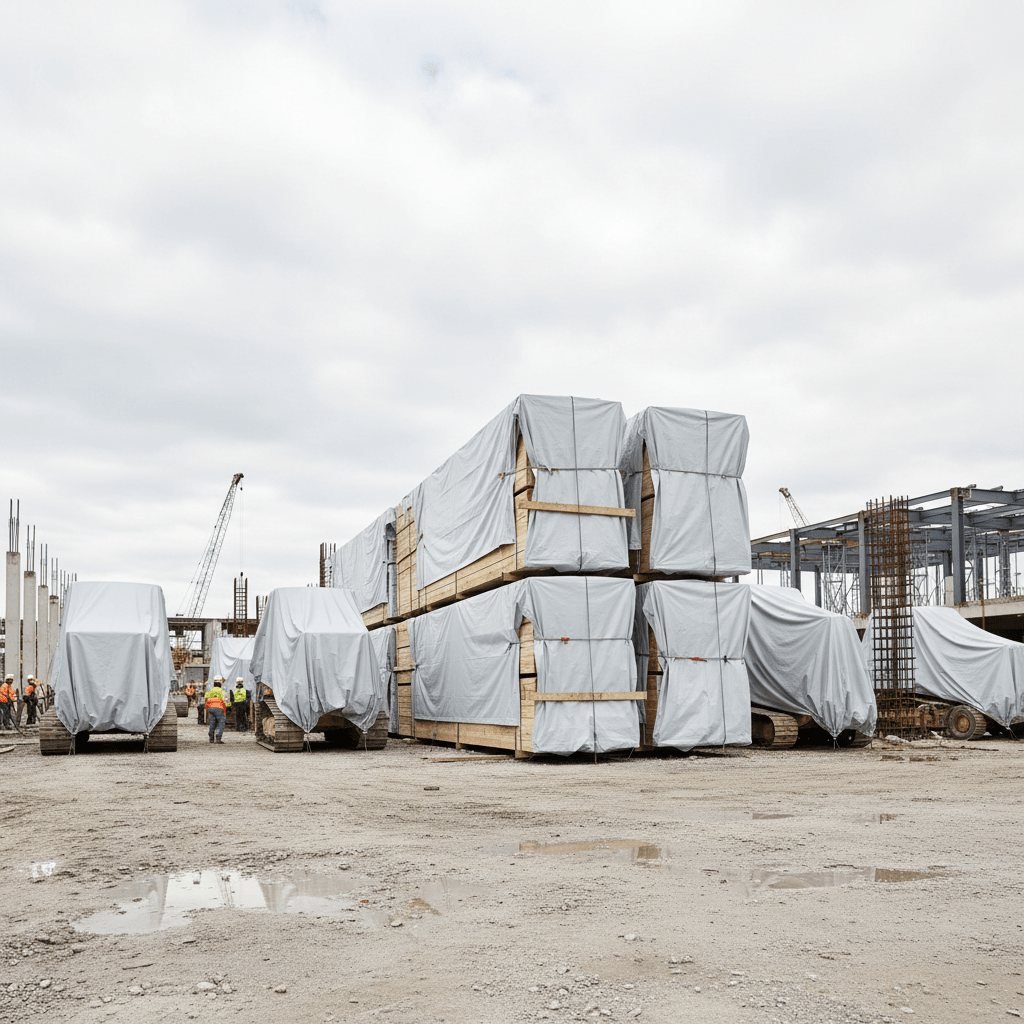
Construction sites are messy. They are chaotic. And usually, they are completely exposed to the weather.
We all know that time is money in this business. But did you know that simple weather protection is often the difference between a profitable job and a delayed nightmare? It’s true. This is where vinyl tarp applications really prove their worth.
Let’s break down the three main ways builders use these tough sheets to save cash.
1. Saving Your Raw Materials
Nothing hurts more than watching a pallet of cement turn into rock hard useless bricks because of a surprise shower. Or seeing high-grade lumber warp in the sun.
Waterproof pvc tarps are the standard here for a reason. Unlike canvas, which can soak through, pvc coated tarpaulin creates a total barrier.
Actually, using the right cover makes a massive difference to your bottom line. One timber exporter actually maintained their product quality and reduced water-damaged shipments by 60% just by switching to better UV-stabilized covers Can durable covers save money?. That is a huge saving roughly equivalent to pure profit.
As Benjamin Franklin famously said, “An ounce of prevention is worth a pound of cure.” Construction wisdom. Spending a little on good industrial pvc covers prevents spending a lot on replacing spoiled materials.
2. Protecting Heavy Iron
Your excavators, generators, and welding rigs are expensive assets. Leaving them out to rust isn’t great business.
Heavy-duty PVC Tarps are perfect for throwing over machinery overnight. Since the material resists oil and grease, you don’t have to worry about the cover getting ruined if it touches engine parts. It keeps the dust out and the resale value up.
3. Temporary Shelters
Sometimes you can’t just stop working because it’s raining.
One of the smartest pvc tarpaulin uses is creating temporary workspaces. Contractors build quick frames and wrap them in uv resistant tarpaulin. This creates a dry spot for welding, mixing, or detailed carpentry. It keeps the crew working safely even when the weather is nasty.
Quick Technical Tip regarding Grommets:
When you are buying these tarps, pay attention to the pvc tarpaulin specifications regarding grommets (those metal rings on the edge).
For construction sites where wind rips through, you want grommets spaced about 12 to 24 inches apart Grommet spacing guide. If they are too far apart, the wind gets under the tarp and tears it loose. If you need something custom, manufacturers like GNC Exports can often adjust this spacing to fit your specific rigging needs.
Application Deep Dive 2: Agriculture & Farming
Farming is essentially a high-stakes gamble with the weather. You spend months growing a crop, but it only takes one bad storm to wipe out your profit.
Actually, the numbers are pretty scary. In 2024 alone, U.S. farmers faced about $3.8 billion in forage losses. That is billions of dollars of hay and feed effectively vanishing because of weather events like drought and storms.
This is where industrial pvc covers stop being just an accessory and start being a necessity. Here is how smart farmers are using them to protect their bottom line.
Keeping Hay and Grain Safe
Moisture is the enemy. If you bale hay and leave it out, rain can seep in. This causes mold. Mold produces toxins. Suddenly, that feed is dangerous for your animals.
While some folks use disposable plastic wraps, they tear easily. A waterproof pvc tarp offers a much stronger shield. Because pvc coated tarpaulin is impermeable (meaning nothing gets through it), it locks out the dampness completely.
It works for grain, too. If you are storing mounds of harvested grain temporarily, covering them with heavy-duty PVC Tarps prevents spoilage from morning dew or sudden downpours. It ensures that what you harvest is actually what you sell.
Better Polytunnels and Greenhouses
Most greenhouses use thin polyethylene film. It’s cheap, but it’s weak. A strong wind can shred it, and it usually needs replacing every couple of years.
Many growers are switching to translucent vinyl tarp applications for their polytunnels. These allow light in but are significantly tougher. Thanks to high-quality uv resistant tarpaulin material, these covers don’t get brittle and crack after one summer. They create a stable environment for plants without the constant repair work.
Protecting Expensive Iron
Farm equipment is getting ridiculously expensive. A new combine harvester can cost as much as a nice house. Yet, many of them sit outside during the off-season, gathering rust.
Using pvc tarpaulin covers shaped for tractors or attachments can add years to their life. The cover stops rain from rusting the metal and keeps UV rays from cracking the hoses and seats.
A Note on Sourcing:
Farmers often need odd sizes—maybe a massive cover for a hay stack or a specific shape for a combine header. This is where pvc tarpaulin specifications matter. Unlike hardware stores that only sell standard squares, manufacturers like GNC Exports can create custom sizes with specific grommet spacing. This ensures your pvc tarpaulin uses match your exact needs, rather than trying to make a generic sheet fit a unique problem.
Application Deep Dive 3: Transportation & Logistics
Moving goods from Point A to Point B sounds simple. But when Point A is in a rainy factory yard and Point B is three days away across a highway, things get tricky. Using generic covers here is a recipe for disaster.
Actually, the transportation industry is where industrial pvc covers see the most action. The wind force on a truck moving at 65 mph is incredibly strong. It shreds weak fabrics in hours.
Here is how logistics pros use heavy-duty PVC Tarps to keep cargo safe and legal.
Truck Covers & Lorry Tarps
This is the most common use. Whether it’s a flatbed hauling lumber or a dump truck carrying gravel, the load has to be covered.
It’s not just about keeping things dry. It’s the law. Federal rules say you must secure your cargo so it doesn’t blow away or fall off.
A solid pvc coated tarpaulin does two jobs here. It satisfies the legal need to secure the load. And it provides 100% waterproofing. This is critical because road spray is dirty. It is full of oil and grit that ruins products.
A Money-Saving Fact:
Switching to better covers pays off fast. One logistics study found that a company cut their cargo damage by 70% just by upgrading to high-quality PVC tarps. They stopped buying cheap replacements and protected their goods better. It was a win-win.
Trailer Side Curtains (‘Curtainsiders’)
You have probably seen these on the highway. They look like regular semi-trailers, but the sides are made of fabric. We call them “curtainsiders.”
They are brilliant for efficiency. A driver can slide the whole side open to load pallets quickly. But that fabric wall is the only thing keeping the goods inside.
This is a demanding vinyl tarp application. The material needs to be flexible enough to fold like an accordion but strong enough to stop secure loads from shifting. Manufacturers use specific pvc tarpaulin specifications with extra-strong mesh cores for these.
Open-Top Containers & Railcars
Shipping goods across the ocean? Or by rail?
Open-top containers are used for big machines that won’t fit through a door. But once they are on the ship, they face saltwater spray and high winds.
Waterproof pvc tarps are standard here. They handle the abrasion of a long journey without wearing thin. If you use a cover that isn’t uv resistant tarpaulin, the sun glare off the ocean will cook it before the ship even docks.
Pro Tip for Truckers:
When looking at pvc tarpaulin uses for the road, check your tie-downs. Most experts recommend grommets spaced every 12 to 24 inches for highway speeds to stop the tarp from flapping. If you need a custom fit, companies like GNC Exports can set those grommets exactly where your rig needs them.
Application Deep Dive 4: Commercial, Event & Recreational Uses
Have you ever been to an outdoor wedding where the sky suddenly turned dark? Panic sets in. The guests run for cover.
If the event planner did their job, everyone heads under a big, sturdy white tent.
It turns out, heavy-duty PVC Tarps aren’t just for dirty construction sites. They are the unsung heroes of the event world, too. From fancy parties to local farmers markets, these covers save the day when the weather doesn’t cooperate.
Here is how the fun stuff relies on serious protection.
1. Event Tents and Marquees
Those beautiful white pavilions you see at festivals? They are almost always made of high-grade pvc coated tarpaulin.
But there is a trick here. It’s not just about keeping rain out. It’s about safety.
Real industrial pvc covers for events are often treated to be fire-retardant. Since PVC has a high “oxidation index” (which basically means it doesn’t burn easily), it is much safer than old-school canvas. If a candle on a table tips over, the tent won’t go up in flames.
Plus, many of these use “blockout” technology. This is a special layer inside the fabric that stops sunlight completely. It keeps the tent cool even on a hot July afternoon.
2. Market Stalls and Kiosks
If you sell handmade goods at a Saturday market, your inventory is your life. A sudden downpour can ruin paper products, clothes, or food in seconds.
Standard blue sheets look unprofessional and leak. Switching to waterproof pvc tarps gives vendors a clean, professional look. And more importantly, it makes sure the stock stays dry so you can actually sell it.
3. Sports: From Muddy Fields to Shiny Gyms
We’ve all seen the grounds crew at a baseball game sprint out when it starts to drizzle. They are pulling a massive uv resistant tarpaulin over the infield.
These vinyl tarp applications protect the dirt from turning into mud soup. It saves the game (and the expensive turf).
But it works indoors, too. When a school holds a graduation or a concert in the gym, they lay down huge PVC covers. This stops chair legs and high heels from scratching the polished wood floor.
Finding the Right Fit:
whether you are covering a baseball diamond or a wedding reception, you can’t just tape a bunch of small tarps together. You need specific sizes. This is where ignoring pvc tarpaulin specifications gets you in trouble.
You need custom sizes. Companies like GNC Exports can manufacture wide-width fabrics that cover huge areas without a million seams. If you need a specific color to match a team brand or a specific fire rating for a public event, they can bake that right into the fabric recipe.
By using the right pvc tarpaulin uses for the job, you protect the fun, the funds, and the people.
A Buyer's Guide: How to Select the Right PVC Tarpaulin Specifications
Ever stared at a product label and felt like you were reading an alien language? You aren’t alone.
When you shop for industrial pvc covers, you get hit with a wall of numbers and acronyms. It’s confusing. But here is the secret—you only really need to understand three things to pick the right one. If you get these right, you save money. If you get them wrong? Well, you might be buying a replacement in three months.
Let’s break down the jargon into plain English.
1. Decoding the Weight (GSM)
You will see the term “GSM” on almost every spec sheet. It stands for Grams per Square Meter.
Basically, it acts like a scale for thickness.
- Light to Medium (300-500 GSM): Good for covering a woodpile or a static machine indoors.
- Heavy Duty (600-900+ GSM): This is the serious stuff. If you are hauling cargo on a highway or covering a roof during a storm, you need this heft.
Heavier usually means more PVC coating, which means better protection against scrapes and cuts. It’s a simple rule: if it moves or faces high wind, go heavy.
2. The Edges Matter More Than the Middle
Here is a mistake I see all the time. People check the fabric but ignore the edges.
But the edge is usually where a tarp fails first. The wind grabs a corner, rips the ring out, and the whole thing is useless. When looking at pvc tarpaulin specifications, check the “hem.” You want a reinforced hem—basically, the edge is folded over (sometimes with a rope inside) to make it double-thick.
Then check the “grommets” (those metal eyelets).
- Material: Look for brass or stainless steel. If plain steel or iron is used, it will rust. Rust cuts fabric like a knife.
- Spacing: This is huge. For a truck tarp on the highway, standard spacing is usually every 12 to 24 inches Truck tarp spacing standards. If they are 36 inches apart, the wind gets underneath and flaps the tarp to death.
If you need something specific—like D-rings instead of holes for extra strength—manufacturers like GNC Exports can typically customize this setup so it fits your rig perfectly.
3. Special Powers (Coatings)
Standard pvc coated tarpaulin is great, but sometimes you need extra “superpowers.”
Depending on your job, you might need to ask for special additives in the chemical mix:
- Fire Retardant (FR): Essential for indoor events or construction sites with welding. You don’t want a stray spark to turn your cover into a torch.
- Food Grade: If you are covering grain or fruit, the plastic needs to be certified safe for contact with food.
- Extra UV Inhibitors: Living in Texas or Australia? The sun is brutal. While PVC is naturally tough, asking for extra UV protection can extend the life of your cover significantly.
Actually, picking the right specs is the difference between a tool that works and a pile of plastic trash. Take the time to read the label.
Conclusion: The Smart, Durable Choice for Long-Term Asset Protection
We’ve covered a lot of ground here. From muddy construction sites to high-speed trucking, the humble pvc tarpaulin is doing serious work.
It’s pretty clear that these aren’t just plastic sheets. They are shields.
Actually, viewing them as an investment changes everything. Sure, you could buy a cheap disposable cover every few months. But why bother? Industrial pvc covers offer a reliability that protects your budget from the unexpected. When a storm hits, you want to know your assets are safe, not worry if the cover blew away.
The math is simple. Durability beats low cost every single time.
So, before your next project kicks off, take a hard look at your risks. What happens if that equipment gets wet? If the answer is “I lose money,” then it’s time to upgrade. Assess what you need—maybe it’s a standard size, or maybe you need a custom fit from a manufacturer like GNC Exports. Either way, choosing the right heavy-duty PVC Tarps is the best insurance policy you can buy.
Contact Information
- Mon - Sat: 10:00am-7:00pm
- 4/32-33 Triveni Nagar , Meerpur Cantt , Kanpur-208004
- +91 9839708040 | +91 9936159591
- gncfabrics@gmail.com
Quick Links
- About Us
- Products
- Blog
- Contact Us
© 2024 GNC EXPORTS, All rights reserved. Developed by DIGI PEXEL
- Privacy Policy
- Terms & Conditions
- Cookies Policy