
Think about a pair of Converse at the skate park. Or those worn-in Vans that somehow still look cool after years of use. We all know the look. But what is canvas, really?
Here’s the thing. Shoe canvas fabric is not one simple material. The fiber type, weave, weight, and finish can change how a shoe feels, how long it lasts, and even how much it breathes on a hot day. That means the same-looking sneaker can act very differently once it hits your feet.
And that matters a lot. The global low-top canvas shoes market was valued at about $8.5 billion in 2023 and is expected to keep growing, so more brands are using this material in fresh ways.
In this guide, we’ll break down the main types of canvas for footwear, from cotton duck canvas for sneakers to hemp canvas shoes, recycled canvas material, and waxed canvas footwear. You’ll see what each one does best. Plus, if you’re picking materials for a product line, this can help you make smarter calls on durability, breathability, and look. No fluff. Just the stuff that helps.
If you’re sourcing at scale, companies like GNC Exports also offer treated canvas options like waterproof, wax-coated, and flame-resistant fabrics for more demanding shoe builds.
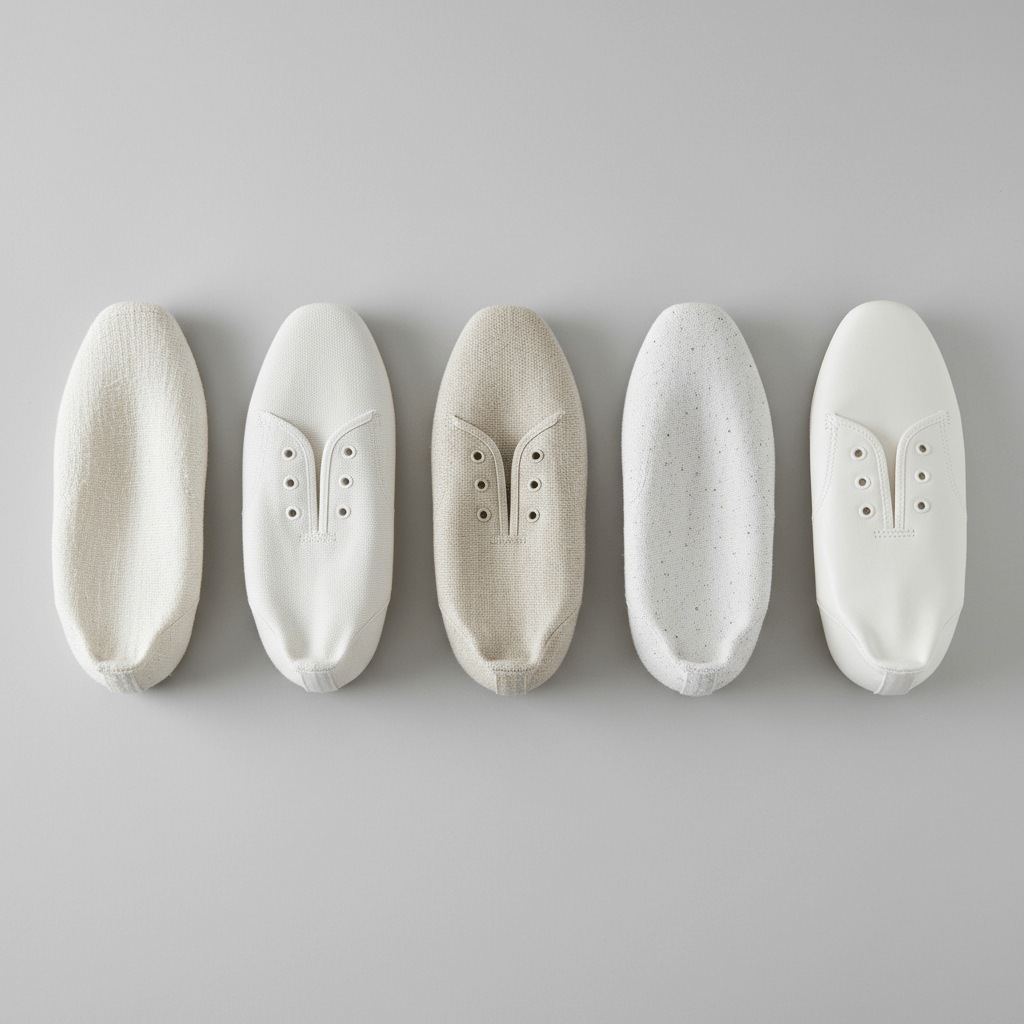
What Exactly is Canvas? The Building Blocks of a Classic Shoe Material
Picture a pair of old-school sneakers that still hold their shape after years of wear. That’s the charm of canvas. But there’s more going on than just a plain white upper.
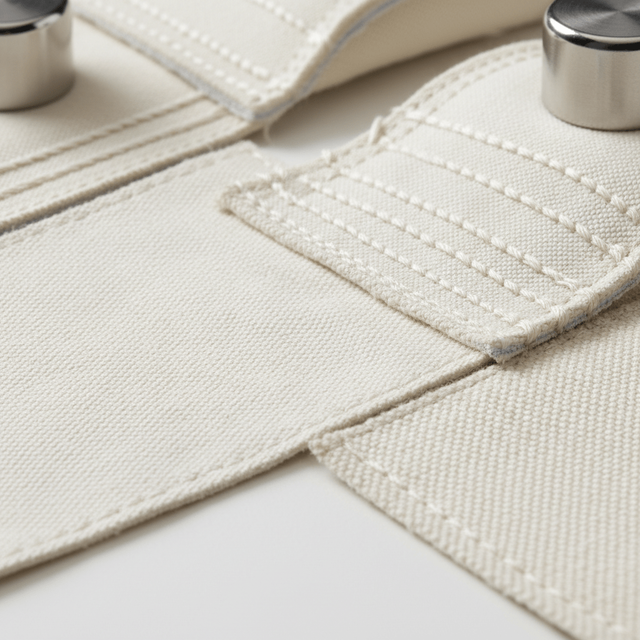
Canvas is a strong fabric with a plain weave. That means the threads go over and under in a simple pattern. Simple doesn’t mean weak, though. In fact, that tight weave is a big reason canvas is so loved in shoes. It helps the fabric stay tough, hold form, and handle everyday bending without falling apart too fast.
And here’s a part people skip way too often: fabric weight. Canvas is often measured in ounces per square yard, and that number tells you a lot about how sturdy it may feel. A lighter canvas can feel soft and bendy, while a heavier one usually brings more structure and more wear resistance. If you’re buying durable canvas fabric for shoes, that ounce count matters a ton.
Duck canvas vs. standard canvas
Now, you might hear the term duck canvas and think it’s some fancy cousin of regular canvas. Well… kind of. Duck canvas is just woven more tightly. That tighter weave makes it stronger and smoother, which is why it’s often picked for better shoes and heavy-use gear. For footwear, that means less sloppy stretch and better long-term shape.
Here’s a quick look at how the weights usually stack up:
Canvas type | Typical weight | Best use in shoes |
Light canvas | 4 to 7 oz | Flexible, lighter styles |
Medium canvas | 8 to 10 oz | Everyday sneaker uppers |
Heavy duck canvas | 10 to 24 oz | Rugged pairs, boots, specialty builds |
So when people talk about cotton duck canvas for sneakers, they’re usually talking about a fabric that feels familiar but holds up better than the flimsy stuff in cheap knockoffs. That’s why brands like Converse and Vans became so linked with canvas shoes in the first place. The good stuff breaks in nicely, but it doesn’t give up on you after a few wears.
And yes, the market backs that up. Canvas shoes are still growing, and low-top canvas footwear was valued at about $8.5 billion in 2023.
If you’re sourcing materials, this is where a company like GNC Exports fits in well. They offer cotton canvas, army duck, numbered duck, and treated options like wax-coated and flame-resistant fabrics, which helps brands build shoes that match the job, not just the look.
The Core Collection: Common Types of Canvas for Footwear
You know that pair of shoes that looks simple at first, then somehow turns out to be the one you keep reaching for? That’s canvas doing its quiet little job.
But here’s the twist. Shoe canvas fabric is not one thing. Not even close. The fiber, weave, and finish all change how it wears, how it feels, and how it holds up after a few hundred steps, scuffs, and rainy days.
1) Traditional cotton canvas
This is the one most people picture first. Classic. Clean. Easy to wear.
Traditional cotton canvas is the old standby in canvas material for shoes. It’s cost-friendly, softens over time, and lets air move through the fabric pretty well. That makes it a strong pick for breathable canvas for shoes, especially in casual sneakers and everyday low-tops. It also takes dye really well, which is why you see it in bold colors, prints, and those bright summer pairs that look good with just about anything.
From a maker’s point of view, cotton canvas is friendly too. It’s easy to cut, sew, and finish. So if a brand wants a simple upper with decent comfort and a lower price tag, cotton canvas is often the first stop.
That said, not all cotton canvas feels the same. A light weave may feel soft right away, but it can wear out faster. A tighter, heavier weave lasts longer and keeps its shape better. That’s why you’ll hear people talk about durable canvas fabric instead of just saying “canvas” like it’s all the same thing. It really isn’t.
2) Linen canvas
Now this one feels a bit more refined. A little dressier. Less skate park, more old bookstore in late spring.
Linen canvas is usually seen as a premium choice. It has a crisp hand feel and a nice natural look, and it tends to be stronger than cotton. Some makers like it because it can hold up well while still feeling light. It also has natural antimicrobial traits, which is a nice bonus for shoes that get worn a lot.
The catch? Price. Linen usually costs more than standard cotton canvas, so you don’t see it in every budget sneaker. But for brands that want a cleaner, more elevated feel, it can be a great fit. Think classic slip-ons, fashion-forward casual shoes, or small-batch products where the material story matters just as much as the look.
And honestly, it has a certain charm. Not flashy. Just quietly good.
3) Synthetic canvas
This is where things get more modern. And more mixed, too.
Synthetic canvas usually means polyester or nylon blends. These versions of types of canvas for footwear are popular because they resist water well, keep their shape, and often dry faster than natural fiber options. If you’ve ever had shoes that shrugged off a light rain and still looked fine the next day, there’s a good chance synthetic fabric had something to do with that.
But there’s a trade-off. Synthetic canvas usually breathes less than cotton or linen. So shoes can feel warmer inside, especially in hot weather. And since these fabrics come from fossil fuel-based materials, they’re not the first pick for buyers focused on lower-impact sourcing.
Still, they absolutely have a place. For travel shoes, school shoes, rainy-day styles, or products that need a little more shape retention, synthetic canvas can work really well. It’s practical. Just not perfect.
Here’s a quick side-by-side look:
Canvas type | Best part | Main drawback | Good shoe uses |
Cotton canvas | Soft, affordable, breathable | Can wear faster | Casual sneakers, low-tops |
Linen canvas | Strong, natural look, antimicrobial | Higher price | Premium casual shoes |
Synthetic canvas | Water-resistant, shape-holding | Less breathable | Travel shoes, rainy-day styles |
If you’re shopping for a brand line or bulk order, this is where working with a fabric supplier like GNC Exports can help. They offer cotton canvas, polyester-cotton blends, and 100% polyester fabrics, plus treated options like water-resistant and mildew-resistant canvas. That kind of range makes it easier to match the shoe to the job, not just the trend.
And that’s the real takeaway here. The best shoe canvas fabric depends on what the shoe needs to do. Soft and airy? Cotton. Strong and polished? Linen. Ready for wet weather and shape control? Synthetic. Simple enough… until you start comparing samples, anyway.
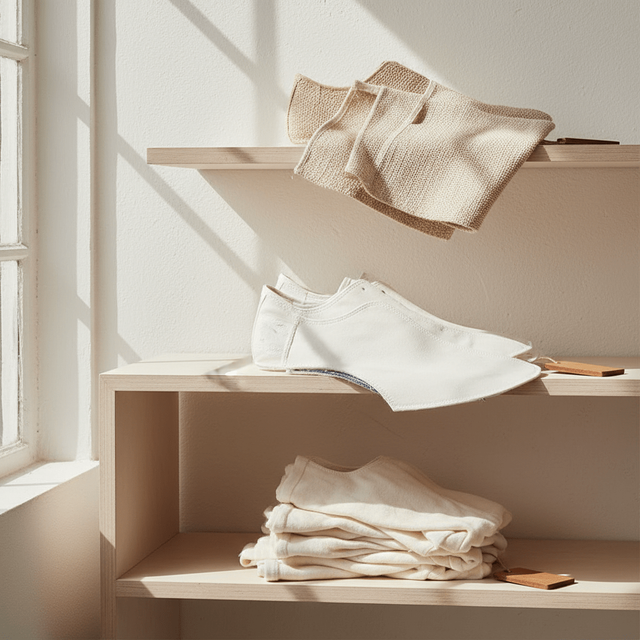
Sustainable Strides: Exploring Eco-Conscious Shoe Canvas Fabrics
-
You know that feeling when you want a shoe to look good, last long, and not feel like a bad choice for the planet? Yeah, a lot of buyers are there right now.
And that’s where eco-conscious shoe canvas fabric starts to shine. The good news is, it’s not all the same old cotton anymore. We’ve got hemp canvas shoes, recycled canvas material, and organic cotton canvas now, and each one brings a different mix of strength, comfort, and lower-impact sourcing.
Hemp canvas: strong, airy, and easy to wear in
Hemp has a pretty great reputation, and for good reason. It uses far less water than regular cotton, and it usually needs fewer pesticides too. One research summary says cotton can take about 10,000 liters of water per kilogram of fiber, while hemp can need only around 300 to 2,719 liters. That’s a huge gap. Hemp also tends to be rain-fed and more drought-tolerant, which makes it a smart pick for brands trying to cut water use (water-use comparison report).
But hemp isn’t just about the planet. It’s tough. Really tough. That’s why hemp canvas shoes often feel stiff at first, then soften up nicely with wear. If you like that lived-in look, hemp can be a dream. It’s a strong choice for durable canvas fabric, especially in casual sneakers and simple slip-ons that need to handle a lot of daily use without turning mushy.
Brands like 8000Kicks and Patagonia have both used hemp in footwear or related gear, which gives hemp a real place in modern shoe design. Not a fad. More like a quiet comeback.
Recycled canvas material: old bottles, new life
Now, here’s the part that feels pretty clever.
Recycled canvas material often means rPET canvas, made from plastic bottles that get collected, cleaned, shredded, melted, and turned into new fibers. Then those fibers are woven into fabric that can work in shoes, bags, and other gear. It helps keep plastic out of landfills and oceans, and it can use less fossil fuel than virgin polyester. Pretty neat, right?
rPET canvas fits well in a circular economy because it gives waste another job before it gets tossed again. Some brands, like Rothy’s and Converse, have used recycled fabric in shoes or shoe parts. So if a buyer wants canvas material for shoes with a lower-waste story, rPET is a practical option. It’s not perfect, but it does move things in a better direction.
Organic cotton canvas: the softer green path
Organic cotton canvas looks a lot like regular cotton canvas, but the farming side is different. No harsh synthetic pesticides. Less chemical-heavy farming. Better soil care. That’s the big idea.
For shoes, organic cotton still gives you that familiar feel people like in breathable canvas for shoes. It works well for everyday sneakers and casual pairs, especially if a brand wants a clean natural story without jumping all the way to hemp or synthetics. It also helps avoid some of the chemical concerns tied to conventional cotton growing.
Here’s a simple way to compare the eco-friendly options:
Fabric type
What stands out
Best for
Trade-off
Hemp canvas
Uses less water, strong, softens with wear
Tough casual shoes, low-tops
Can feel stiff at first
Recycled canvas material
Made from plastic bottles, supports circular use
Eco-focused sneakers
May not feel as natural as cotton
Organic cotton canvas
Grown with fewer harmful chemicals
Everyday canvas shoes
Can cost more than standard cotton
And if you’re sourcing for a line of shoes or workwear, this is where a supplier like GNC Exports can help. They make treated canvas options too, including waterproof, mildew-resistant, oil-waxed, and flame-resistant fabrics. So if you need a greener base fabric plus a specific finish, you don’t have to piece the whole thing together from five different places. That alone can save a ton of back-and-forth.
The big takeaway? Eco-friendly types of canvas for footwear are no longer limited to one path. Hemp brings strength. rPET brings reuse. Organic cotton brings cleaner farming. And the best pick depends on the shoe, the budget, and the story you want the product to tell.
Beyond the Weave: Specialized Finishes and Treated Canvas
-
Ever picked up a pair of shoes and thought, “Why does this one feel ready for rain, and that one just feels… dry?” That’s usually not luck. It’s the finish.
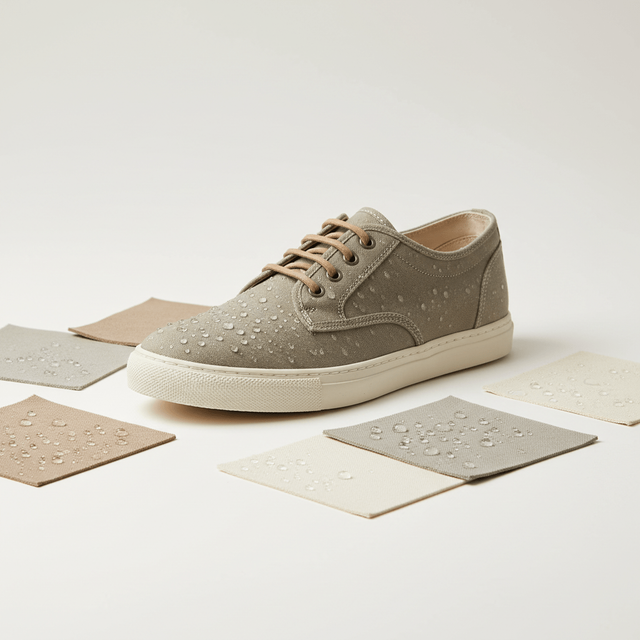
Waxed canvas footwear takes a plain canvas base and gets a thin wax layer worked into the fibers. The result is a fabric that pushes back water better than untreated canvas and slowly picks up a worn-in patina. And honestly, that aged look is part of the charm. It starts out clean, then gets a little story on it as you wear it. Nice, right?
Here’s the trade-off though. Wax makes the fabric tougher against weather, but it also cuts down airflow. So waxed pairs usually feel less airy than breathable canvas for shoes made from cotton or linen. That’s why you’ll see waxed canvas used more in boots, trail-ready slip-ons, and work-focused styles than in light summer sneakers.
What about extra performance coatings?
That’s where specialty treatments step in. Some types of canvas for footwear get a DWR finish, which helps water bead up and roll off. Others may use fire-retardant coatings for work boots or jobsite shoes. These treatments matter for brands that need a shoe to do more than look good on a shelf.
GNC Exports, for example, offers oil-waxed, water-resistant, mildew-resistant, and flame-resistant canvas options for heavier-use products. That kind of setup works well for buyers who need one supplier for several fabric needs. Less back-and-forth. Less guessing.
Finish type
What it does
Best use
Waxed canvas
Resists water and develops patina
Boots, slip-ons, rugged casual shoes
DWR coating
Makes water bead on the surface
Rainy-day sneakers, travel shoes
Fire-retardant finish
Helps slow flame spread
Work shoes, industrial footwear
And here’s a simple care tip, because people ask all the time: waxed canvas usually needs gentle cleaning and the odd re-wax later on. No hot wash. No dryer. Just a little patience.
Canvas is also a fun blank space for style. Brands use digital printing, screen printing, and dyeing to turn plain canvas material for shoes into something loud, playful, or very on-brand. Think floral prints, bold logos, or custom colorways. Liberty of London collabs with Vans and Nike are a good example of how far printed canvas can go.
So if you’re choosing shoe canvas fabric, don’t stop at the weave. The finish changes the whole feel. The look. The use. Even the mood.
And that’s kind of the magic here.
Decision Guide: How to Choose the Right Shoe Canvas Fabric for You
You know that moment in the store when two shoes look almost the same, but one feels way better? That’s often the fabric talking.
For shoe canvas fabric, the best pick really depends on how you live. If you want easy, casual comfort, standard cotton or organic cotton canvas is usually the sweet spot. If you need more toughness, heavy duck canvas or hemp canvas shoes tend to hold up better over time. And if rain, mud, or rough weather is part of the deal, waxed canvas footwear is the one to look at.
Here’s a quick way to think it through:
|
Ask yourself |
Best match |
|
Hot climate, lots of walking |
Cotton or organic cotton |
|
Heavy use, daily wear, scuffs |
Heavy duck canvas or hemp |
|
Wet weather or outdoor trips |
Waxed canvas |
|
Style and color options matter most |
Cotton canvas |
|
Sustainability matters most |
Hemp or recycled canvas material |
And yes, the market is still growing. Low-top canvas shoes were worth about $8.5 billion in 2023, so people are clearly still reaching for this classic material.
A simple rule of thumb
-
Choose cotton if you want softness, breathability, and a lower price.
-
Choose hemp if you want stronger durable canvas fabric with a greener story.
-
Choose waxed canvas if water resistance matters more than airflow.
-
Choose recycled canvas material if you like the idea of old plastic bottles becoming new shoes.
Tiny trade-off, though. The tougher the canvas, the less airy it usually feels. So if your feet run hot, super-heavy fabric might not be your best friend in July.
Quick care notes
Regular canvas is pretty easy. Brush off dirt, wipe with mild soap and cool water, then let it air dry. Don’t toss it in a hot dryer. That usually just makes things sad.
Hemp canvas shoes like gentle care too. Use a soft brush, spot clean when you can, and skip harsh cleaners that can break down the fibers.
Waxed canvas footwear needs the most patience. Wipe off dirt, clean with a damp cloth, and air dry fully. No machine wash. No hot water. And if the wax starts fading, you can re-wax it at home to bring back that water-resistant layer.
If you’re sourcing for a brand or bulk order, this is where a supplier like GNC Exports can help. They offer cotton canvas, army duck, polyester-cotton blends, and treated options like water-resistant, oil-waxed, mildew-resistant, and flame-resistant fabrics. That makes it easier to match the shoe to the job instead of just chasing the look.
So ask three things before you buy: What weather will I face? What will I do in these shoes? What do I care about most, comfort or sustainability? Once you answer those, the right canvas material for shoes gets a lot easier to spot.
The Future of Footwear is Woven: Final Thoughts on Canvas
Canvas shoes have been around a long time, but they’re not stuck in the past. Not even close. What looks like a simple upper is really a mix of weave, weight, fiber, and finish, and that mix changes everything from comfort to durability.
So the big takeaway is this: shoe canvas fabric is not one flat category. Once you start comparing canvas material for shoes, cotton duck canvas for sneakers, hemp canvas shoes, recycled canvas material, and waxed canvas footwear, the differences get pretty clear. Some pairs breathe better. Some last longer. Some do both, which is the dream.
And the market keeps moving. Canvas shoes still have room to grow, while buyers keep asking for tougher, greener options that feel good on foot and in the story they tell. Hemp and recycled blends are getting more attention for a reason. They fit the way people shop now.
If you’re buying your next pair, take 10 seconds and check the tag. Look at the fabric name. Ask what it’s made of. Then compare it to how you actually live. Hot days, rainy walks, daily wear, weekend trips… that stuff matters.
And if you’ve got a favorite type of canvas shoe, share it. Old-school Converse? Worn-in Vans? Maybe something in hemp or waxed canvas? We’d love to hear what you reach for most.
Contact Information
- Mon - Sat: 10:00am-7:00pm
- 4/32-33 Triveni Nagar , Meerpur Cantt , Kanpur-208004
- +91 9839708040 | +91 9936159591
- gncfabrics@gmail.com
Quick Links
- About Us
- Products
- Blog
- Contact Us
© 2024 GNC EXPORTS, All rights reserved. Developed by DIGI PEXEL
- Privacy Policy
- Terms & Conditions
- Cookies Policy