
What is Twill Fabric? A Complete Guide to the Weave, Characteristics, and Uses
What is Twill Fabric and Why Is It in Your Wardrobe?
Go ahead, check your closet. I’d bet good money you find a pair of denim jeans, a trench coat, or some structured work pants right near the front.
You know what connects them? Twill fabric.
It’s pretty much the backbone of durable clothing. The dead giveaway is the texture. If you look really close at the material, you won’t see a simple over-under grid. Instead, you’ll see a diagonal rib pattern (often called a wale) running across the surface. This sets it apart from the flat look of standard plain weaves.
But it’s not just about looking cool. That diagonal structure makes the fabric tougher, drape better, and actually helps it hide stains. It’s a massive deal in textiles, with specific cotton twill markets valued around US$0.1 billion recently.
Here’s exactly what we are going to cover together:
- How the twill weave is actually made (it’s simpler than you think)
- The real differences between chino fabric, denim, and gabardine
- Why it’s the go-to for durable fabrics in both fashion and heavy industry—like the industrial drills companies like GNC Exports produce.
Let’s get into the details of this powerhouse fabric.
Decoding the Twill Weave: The Secret to Its Strength
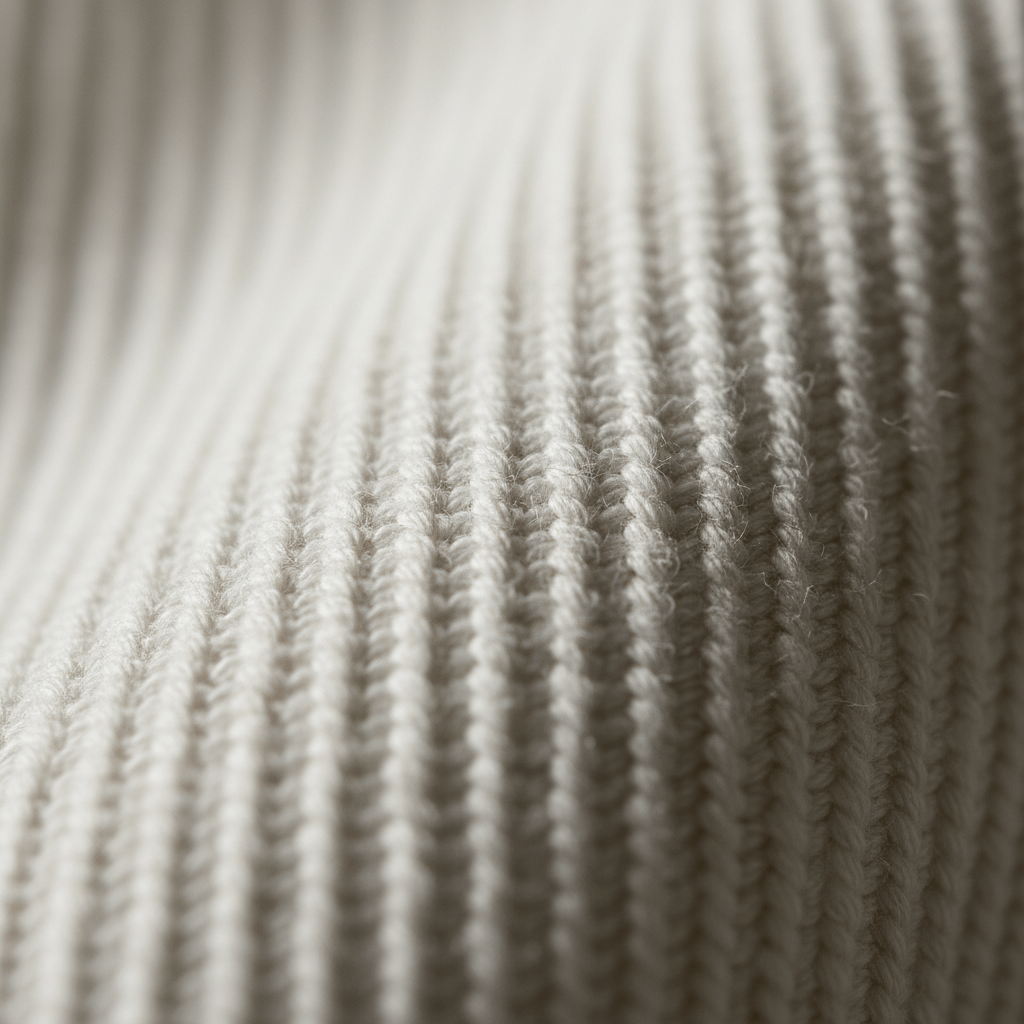
You might be wondering: if fabric is made of straight threads crossing each other up and down, where does that diagonal line come from?
It’s a fair question.
Actually, it’s all a bit of a magic trick caused by how the threads are skipped. To understand twill fabric, we first need to look at the two main players in weaving:
- The Warp: These are the vertical threads held tight on the loom.
- The Weft: These are the horizontal threads that weave through the warp.
In a standard “plain weave” (like a basic cotton sheet), the weft goes over one warp thread, then under the next. Over, under, over, under. It’s a perfect checkerboard. It’s strong, but it can be kind of stiff.
Here is where the twill weave changes the game.
Instead of doing the simple over-under dance, the weft thread creates a stagger. It might go over one warp thread, and then float under two or more warp threads. In the next row, it shifts that pattern over by one step.
This offset creates a stair-step effect. When you look at it from a normal distance, your eye connects those steps into a continuous diagonal rib pattern. In the industry, we call this diagonal line a “wale.”
Why the Numbers Matter
You might see fraction-looking numbers like 2/1 or 3/1 when shopping for fabrics. Don’t worry, it’s not math class.
- 2/1 Twill: The thread goes over two, under one. This is common in lighter fabrics.
- 3/1 Twill: The thread goes over three, under one. This makes a heavier, thicker fabric (often seen in denim).
Because there are fewer interlocking points than a plain weave, the yarns can pack closer together. This makes the fabric darker, thicker, and softer.
Twill vs. The Others
To really get why this matters for your clothes—or for industrial gear—let’s look at how it stacks up against the other big weave types.
Feature | Plain Weave | Twill Weave | Satin Weave |
Look | Flat, checkerboard grid | Diagonal lines (Wales) | Smooth, shiny surface |
Drape | Stiff, crisp | Soft, hangs well | Very fluid, slippery |
Snags | Hard to snag | Moderate | Snags very easily |
Best For | Summer shirts, sheets | Jeans, workwear, jackets | Evening gowns, lining |
It turns out, there is a trade-off. Plain weave is actually better at resisting rubbing (abrasion) because the threads are locked down tight. But twill? Twill is the king of tear strength.
Because the threads have a bit more wiggle room (literally), they can bunch up together to resist tearing forces. Research shows that while plain weave loses mass faster from rubbing, twill stays intact under heavy stress because it distributes the load better suitable specifically for its hard-wearing feel.
This unique strength is exactly why manufacturers like GNC Exports favor twill variations—like heavy-duty drills—for industrial applications. When a fabric needs to flex without ripping, you don’t want a rigid grid. You want that diagonal flexibility.
Plus, there’s a bonus: those uneven surfaces hide dirt really well. Since the pattern is busy and textured, stains don’t show up as clearly as they do on a flat sheet. Perfect for messy work sites or just a clumsy lunch break.
The Defining Characteristics of Twill Fabric
So, you know how to spot that diagonal line now. But you might be thinking—does a diagonal line really change anything about the clothes I wear?
Short answer: Yes. Big time.
Changing the weave structure completely alters how the material acts. It changes how it hangs on your body, how long it lasts, and even how often you need to wash it. When we talk about fabric characteristics, twill is basically the heavy lifter that still knows how to look good at a dinner party.
Here is why this weave is such a favorite for everything from high-end fashion to the heavy-duty industrial fabrics supplied by experts like GNC Exports.
1. It’s Tough (But Not Stiff)
There is a common mix-up here. People think “strong” always means “rigid.” Like a piece of plywood.
But twill fabric works differently. Remember how those threads float over each other? That creates a little bit of wiggle room. Because the threads aren’t locked into a tight 1×1 gridlock (like a plain weave), they can actually move slightly under pressure.
If you snag your jeans on a fence, the threads can bunch together to share the load. This gives twill incredible tear resistance.
It’s actually fascinating when you look at the data. While a plain weave might technically be harder to rub a hole in (abrasion), twill is much harder to rip apart. This structural forgiveness is why it is the standard for durable fabrics in construction and military gear.
2. It Drapes Like a Dream
Have you ever put on a brand new, cheap cotton shirt and felt like you were wearing a cardboard box? That’s usually a tight plain weave.
Twill is different. Because it has fewer interlacing points (fewer times the thread goes under/over), the fabric is more flexible. It is free to move better.
We call this “drape.”
If you pick up a gabardine trench coat or a nice pair of trousers, notice how the fabric flows over your hand rather than sticking out straight. This softness makes it super comfortable to wear all day, which is a huge plus if you are wearing a uniform or workwear for a 10-hour shift. It conforms to shapes beautifully, offering a mix of utility and luxury that other weaves struggle to match.
3. It Hides the Mess
Here is a practical trick that parents and mechanics love.
Twill is great at hiding dirt.
Because the surface has that diagonal texture—a mix of highs and lows—it breaks up the visual field. A small stain or a bit of dust gets lost in the pattern. On a smooth, flat plain weave, that same spot would stick out like a sore thumb.
Plus, it’s opaque. Because the threads are packed so tightly together (higher thread count), see-through moments aren’t really a thing with twill. This density also helps it resist wrinkles better than lighter weaves.
So, if you hate ironing and are prone to spilling your morning coffee, twill is your friend.
A Guide to the Most Common Types of Twill Fabric
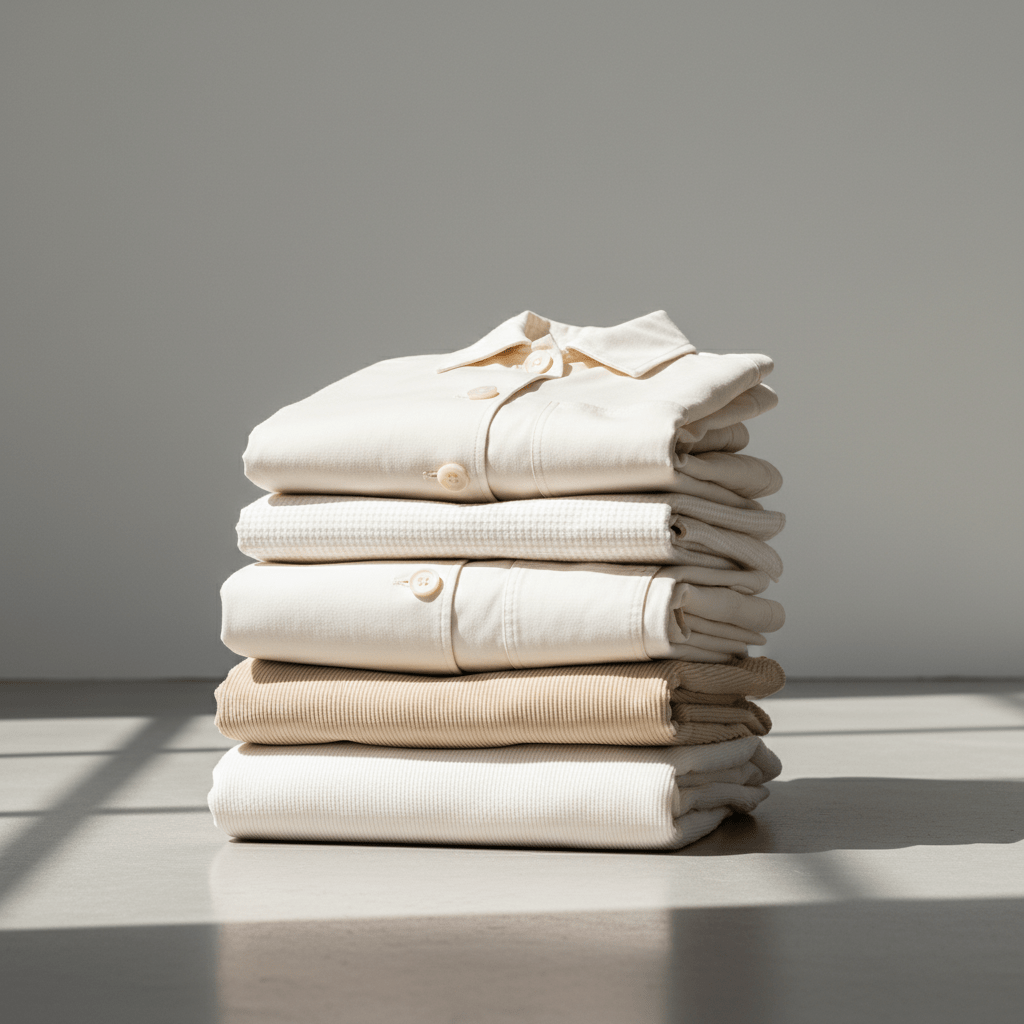
You might think twill is just one thing. But it’s actually more like a big family with different personalities.
Some are tough enough for a construction site. Others are fancy enough for a wedding.
So, before you go shopping for your next project or outfit, let’s break down the ones you’ll actually see in the wild.
1. Denim (The Famous One)
If you are asking “what is denim made of?”, the answer is almost always a sturdy cotton twill. Specifically, it is usually a warp-faced twill.
That is a fancy way of saying the weaver uses a colored thread (usually indigo blue) for the vertical warp and a white thread for the horizontal weft. The blue threads pack closely together on the surface, covering up the white ones.
That is why your jeans are blue on the outside but look whitish on the inside.
It is heavy stuff. While a light summer shirt might weigh basically nothing, good denim usually weighs between 12–16 oz/yd².
Hardcore denim fans will tell you it takes months to break in properly—sometimes six months without washing to get those perfect fade lines. It sounds crazy, but that stiffness comes from the tight twill structure.
2. Chino (The Office Hero)
People mix this up with “khaki” all the time. But here is the deal: Khaki is a color (that dusty light brown). Chino fabric is the actual material.
It is much lighter than denim, usually weighing in at just 4–8 oz. It feels smoother and cleaner.
The diagonal rib pattern is finer here. You usually have to squint to see the lines. Because it creates a sleeker silhouette, it is perfect for when you need to look nice but don’t want to squeeze into a stiff suit. It breathes better than denim, which is a lifesaver in the summer heat.
3. Gabardine (The Weatherproof Classic)
This is the stuff trench coats are made of.
Back in 1879, a guy named Thomas Burberry wanted a fabric that could breathe but still stop rain. Before this, waterproof gear was usually rubberized and heavy—basically wearable saunas.
He invented gabardine, a tightly woven twill that naturally repelled water because the threads were packed so densely. It didn’t need a coating. It just worked.
It drapes beautifully and holds its shape, which is why it’s still a favorite for suits and overcoats. It feels a bit more “dressy” than the others on this list.
4. Drill (The Heavy Hitter)
This is the tough guy of the group.
Drill is a stout, durable cotton twill. It feels a lot like denim, but it plays by different rules. Usually, drill is piece-dyed, meaning the whole fabric is dyed one color (so it looks the same on the front and back).
Because it is so strong, it creates superior durable fabrics used for things that take a beating—like mechanics’ uniforms, heavy canvas tents, and safety gear.
This is exactly the kind of high-performance territory that manufacturers like GNC Exports focus on. They produce heavy-duty drills and specialized canvas that can handle industrial environments where a normal fabric would just shred. When a job site involves sparks, oil, or rough abrasion, you don’t want a delicate weave. You want a heavy drill.
5. Herringbone and Houndstooth (The Fancy Cousins)
Sometimes, weavers mess with the pattern on purpose to make it look cool.
If you reverse the diagonal line every few stitches, you get a zigzag V-shape. That’s herringbone weave (because it looks like the skeleton of a fish). It gives you all the strength of twill but with a very distinct look.
Then there is Houndstooth. This is a “broken” twill check pattern that looks like abstract four-pointed shapes.
These patterns are huge in fashion right now. In fact, they made a big comeback on the Fall/Winter 2024-2025 runways, often mixed with new sustainable materials. Designers love them because they add texture and visual interest to coats and blazers without sacrificing durability.
From Workwear to Upholstery: Where You'll Find Twill Fabric
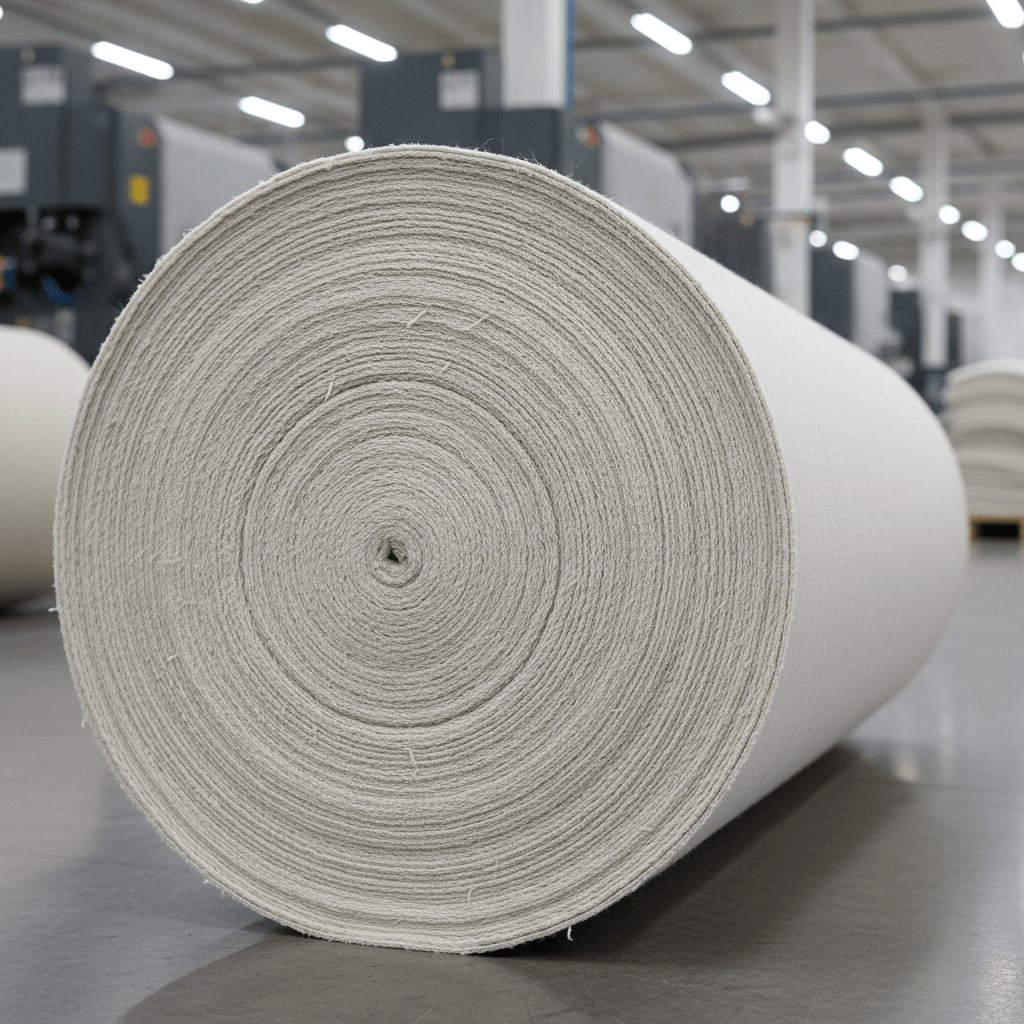
You might assume twill is just for pants. But look around. It’s actually hiding in plain sight everywhere.
Because it balances strength with softness, it solves problems that other fabrics just can’t handle. It is the multitasker of the textile world.
The Clothes on Your Back
We already talked about jeans. But think about your work clothes.
If you work in a shop, on a construction site, or even in a kitchen, you are likely wearing twill fabric. It is the standard for uniforms because it can handle a lot of movement without ripping. You need your pants to stretch when you bend down, right? A stiff fabric just won’t cut it.
This is huge for industrial suppliers. For instance, experts like GNC Exports focus on these exact scenarios—producing technical fabrics that need to be flame-resistant or waterproof while staying flexible enough for a worker to move in. You can’t get that same performance from a rigid plain weave.
But it’s not just for getting dirty.
That nice skirt that flows when you walk? Probably twill.
The lining inside your expensive suit jacket? Twill again.
Hiding the Mess at Home
Here’s a secret from interior designers.
If you have kids, pets, or just a messy roommate, do not buy a plain weave sofa. It shows everything.
Twill is the secret weapon for upholstery. High-traffic furniture needs a defense system. Because of that diagonal texture (the wales), twill catches the light differently and breaks up the look of stains or dust. A smudge that would ruin a flat cotton sheet basically disappears into the ribs of a twill cushion.
Designers often pick it over satin—which prevents snagging risks—or basic cotton prints because it effectively hides soil while maintaining a luxury look.
Plus, think about your curtains. They need to heavy enough to block light but soft enough to fold nicely. Twill has that natural weight that helps them hang straight down instead of puffing out awkwardly.
Gear That Travels
Next time you pack for a trip, check your luggage.
Soft-shell suitcases and high-quality duffel bags often use synthetic twill. It’s robust. It resists tearing when the airline throws your bag onto the conveyor belt (and we all know they do).
Even simple things like tote bags or baseball caps rely on this weave. A plain weave cap would look wrinkly and weird pretty fast. A twill cap holds its round shape and takes a beating.
Basically, if an item needs to survive the real world—whether that’s a factory floor, a chaotic living room, or a cross-country flight—there is a good chance it is built on a durable twill base.
How to Care For and Maintain Your Twill Garments
Okay, real talk for a second. We have all been there.
You buy a perfect pair of pants. The fit is amazing. You wear them once, toss them in the wash, and throw them in the dryer on high heat.
Next morning? You can practically hear the seams popping as you try to squeeze into them. They shrunk.
While twill weave fabrics are famous for being tough, they are not invincible. Actually, because cotton twill (like denim and chino) is a natural fiber, it loves to shrink if you mistreat it.
But don’t worry. Keeping your gear fresh isn’t rocket science. Here is how to make those durable fabrics last years instead of months.
1. The Golden Rule: Cold Water, Low Heat
Most of your everyday items—like chino fabric pants or that sturdy work jacket—are likely 100% cotton.
They can handle the washing machine just fine. But heat is the enemy.
Hot water relaxes the tension in the yarns (those spun threads we talked about), and when they dry, they snap back tighter than before. Result? High-waters.
- Wash: Stick to cold water cycles (30°C or lower).
- Dry: Hang them up. If you must use a dryer, use the lowest heat setting possible. It takes longer, but your clothes will thank you.
2. Special Care for Denim
Jeans are a whole different beast.
If you ask a denim head, they might tell you to never wash them. Seriously.
Experts often suggest waiting up to six months before the first wash to let the creases set in naturally. But if you are a normal person who spills mustard occasionally, you need to wash them.
When you do, turn them inside out. This stops the washing machine drum from rubbing the color off the ridges of the diagonal rib pattern. It keeps the blue on your pants, not in the water drain source.
3. Don’t Wash the Fancy Stuff
Got a gabardine trench coat or a nice herringbone weave blazer?
Step away from the washing machine.
These are often made of wool or wool blends. If you toss wool in a washer, the agitation acts like a blender. The fibers lock together (felting), and you will end up with a jacket that fits a toddler.
For these types of twill, dry cleaning is usually your only safe bet unless the label screams “Machine Washable” (which is rare).
4. Ironing: Avoid the Shine
Here is a pro tip I learned the hard way.
If you iron twill directly on the front, you can flatten the texture so much it gets shiny. You’ve probably seen suit pants that look weirdly glossy at the knees. That’s from bad pressing.
Instead, use a steamer. Steam relaxes the fibers without crushing them, helping the fabric drape naturally again.
If you have to stubborn wrinkles and need an iron, flip the garment inside out first. Pressing from the back protects the face of the fabric.
It’s a little extra work, sure. But considering how long good twill lasts, it’s worth the 10 minutes.
Why Twill Might Be the Perfect Fabric for Your Next Project
We covered a lot of ground here.
From the math behind the loom to the way it fights off wrinkles. But at the end of the day, picking a fabric is about trust. You need to know it won’t fall apart on you.
That is where twill fabric wins.
It isn’t just about looking cool with that diagonal rib pattern. It is about performance.
Actually, it hits a sweet spot that most other weaves miss completely:
- It fights tears: When things get rough, the threads work together.
- It flows: It minimizes that stiff, cardboard feeling.
- It stays clean: Or at least, it looks clean longer than a flat sheet does.
This durability is actually a big deal for the planet too. Since a good twill jacket outlasts cheap fast fashion, it helps reduce landfill waste by simply lasting longer.
So, here is your cheat sheet.
If you need something super light and airy for a hot day? Maybe stick to a plain weave.
But if you need something that works as hard as you do? Twill is the answer.
This is especially true for businesses. If you are sourcing materials for safety gear, tents, or uniforms, you can’t really rely on generic stuff. You need partners who understand specifications. Companies like GNC Exports specialize in these heavy-duty industrial needs, ensuring the fabric does its job so you can do yours.
Next time you grab your jeans or button up that trench coat, take a second look.
That little diagonal line? It’s doing a lot of heavy lifting.
Contact Information
- Mon - Sat: 10:00am-7:00pm
- 4/32-33 Triveni Nagar , Meerpur Cantt , Kanpur-208004
- +91 9839708040 | +91 9936159591
- gncfabrics@gmail.com
Quick Links
- About Us
- Products
- Blog
- Contact Us
© 2024 GNC EXPORTS, All rights reserved. Developed by DIGI PEXEL
- Privacy Policy
- Terms & Conditions
- Cookies Policy