
Polyester Fabric: A Complete Comparative Guide vs. Cotton, Wool, and More
Decoding the Label: What Does '100% Polyester' Really Mean for You?
You’ve probably seen it a hundred times on a clothing tag: ‘100% Polyester.’ But what does that really mean? Is it good? Is it bad? For a long time, it was mostly known as the stuff of disco outfits and old-school tracksuits. Kind of scratchy. A little sweaty.
But here’s the thing. Today’s polyester is a whole different story. This material is everywhere. In fact, it’s a huge deal in the world of fabrics, making up nearly 57% of all fibers produced globally. Chances are, a lot of your own clothes contain some polyester. So, it’s worth knowing what you’re actually wearing.
We get that it can be confusing. That’s why we put together this simple guide. We’re here to clear the air and give you the real scoop on polyester fabric. Let’s look at how it actually stacks up against other common materials you know, like cotton, wool, silk, rayon, and nylon. By the end, you’ll be able to look at any clothing label and know exactly what you’re getting.
What is Polyester Fabric? The Science Behind this Synthetic Staple
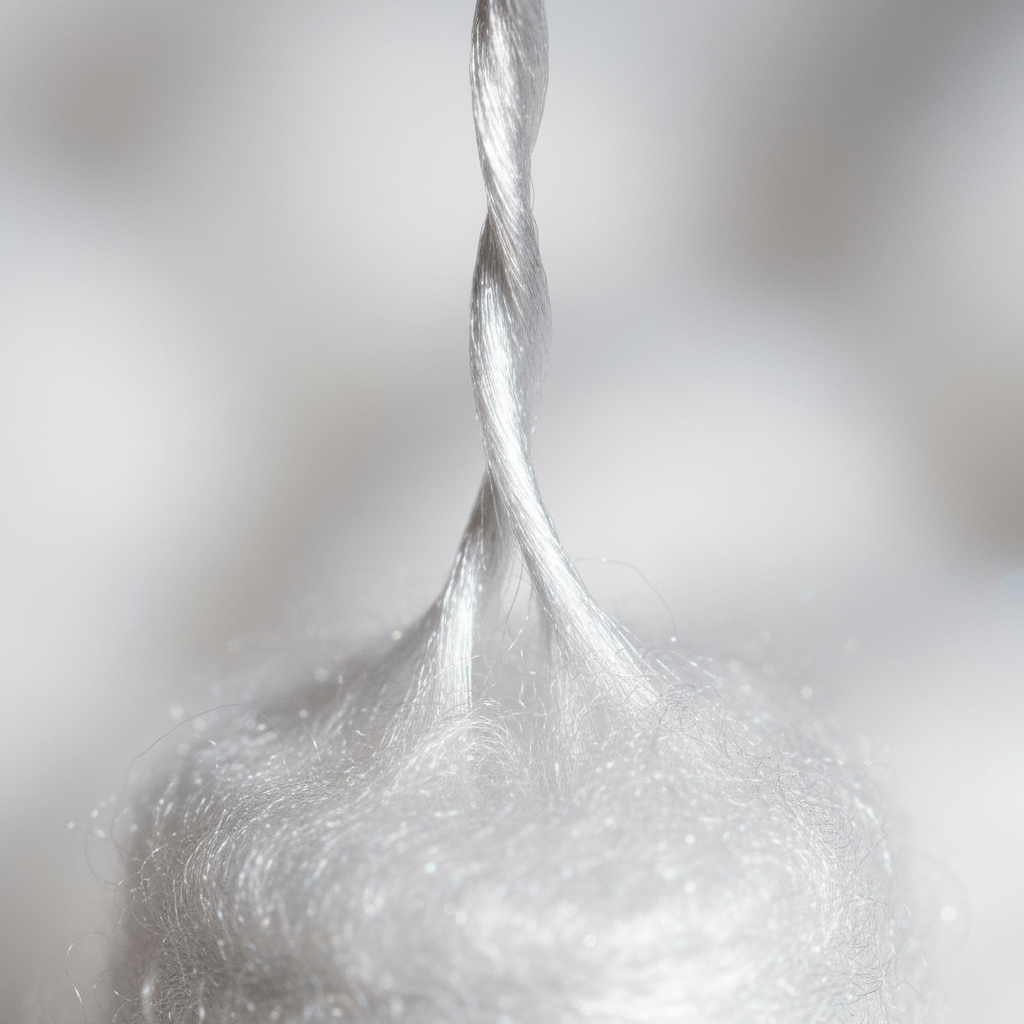
Okay, so we’ve all got it in our closets. But what is polyester, really? At its heart, polyester is a type of plastic. Yep, you read that right. It’s one of the most common synthetic fabrics out there.
The specific kind used for clothes is often called PET, which stands for polyethylene terephthalate. And believe it or not, its journey starts with petroleum—the same stuff that becomes gasoline. So, how do you get a soft t-shirt from crude oil?
It’s a bit like a chemical recipe. To answer what is polyester made of, scientists take specific components from petroleum and mix them together. When they link up, they form long, super-strong chains called polymers. This reaction creates the strong bonds that give polyester its famous durability as explained by industrial chemistry experts.
Once they have this raw polymer, it gets melted down. Then, it’s pushed through tiny holes, kind of like a showerhead, to create long, continuous strands. These strands are then stretched, which is what makes the fibers so tough. This process can create different fiber types. Some are long and silky, which gives a smooth feel. Others are cut into short, fluffy pieces that feel more like cotton.
When made from scratch this way, it’s called ‘virgin polyester’. But there’s another kind you’ll see more and more: recycled polyester (rPET). This version is often made from old plastic water bottles. Pretty cool, right? We’ll talk more about how that works later on.
That stretching process is a big deal. It creates incredible strength, which is why this man-made material is great for tough jobs. For companies that make things like industrial covers or heavy-duty bags, a durable polyester fabric from a specialized supplier like GNC Exports is exactly what they need to ensure their products last.
The Core Characteristics of Polyester: A Balanced Look at Pros and Cons
So why is this fabric everywhere? It’s a fair question. Turns out, there are some really good reasons polyester took over our closets.
First off, polyester durability is a big deal. The fabric is incredibly strong and stands up to a lot of wear and tear. It’s way tougher than cotton, so clothes made from it resist scrapes and don’t rip easily. Plus, it’s famous for fighting off wrinkles. You can wad up a polyester shirt in your bag, pull it out hours later, and it’ll still look pretty good. It also holds dye extremely well, meaning bright colors stay bright, wash after wash.
But it’s not all perfect. There’s a definite downside.
Let’s tackle the big one: is polyester breathable? For the most part, no. Since it’s basically plastic, it resists water. That’s great if you’re caught in the rain, but it also means it doesn’t absorb sweat. Instead, moisture gets trapped against your skin, leaving you feeling clammy and sticky. It’s also oleophilic, which is a fancy way of saying it loves oil. This is why body oils can build up and lead to stubborn smells in workout clothes. And that static shock you get in the winter? You can often thank polyester for that.
There’s also a growing concern about the environmental impact of polyester. Every time you wash clothes made from synthetic fabrics, they shed tiny plastic strands called microfibers. And it adds up. Studies have shown that a single load of laundry can release thousands of these fibers into our waterways. This microplastic pollution is a serious issue for ocean health.
So, what’s the fix? One of the most common solutions is creating polyester blends. Ever see a tag that says ‘poly-cotton’? That’s a mix designed to give you the best of both worlds. You get the strength and wrinkle-resistance of polyester combined with the softness and breathability of cotton. It’s a smart compromise that makes for a more comfortable and long-lasting garment. This is why companies that need heavy-duty textiles for things like industrial workwear or durable bags often seek out specific polyester blends. They get the performance they need without giving up everything else.
Polyester vs. Cotton: The Ultimate Fabric Showdown
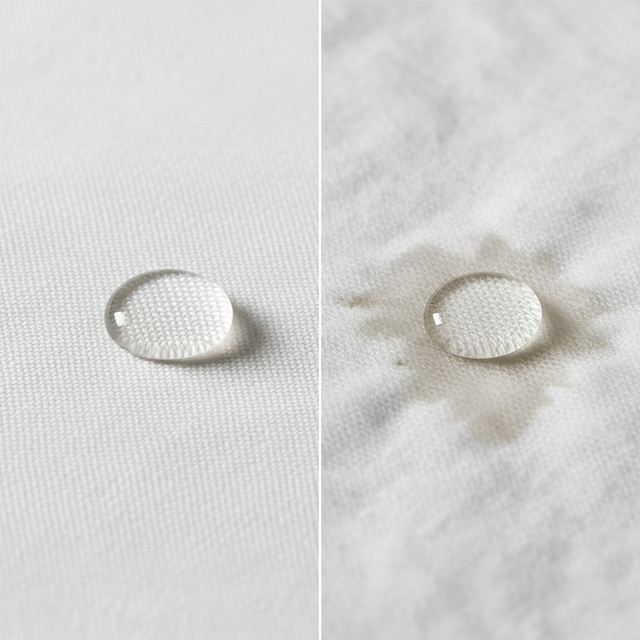
This is the big one. The classic clothing debate. In the battle of polyester vs cotton, who comes out on top? The honest answer is… it depends entirely on what you’re using it for. Let’s put them head-to-head.
Performance and Comfort
Think about your favorite workout shirt. It’s probably polyester. There’s a good reason for that. As we covered, polyester doesn’t absorb water well. It has a tiny moisture regain of about 0.4%, while cotton can hold way more. This means polyester wicks sweat away from your skin, helping it evaporate so you stay dry and comfortable. Cotton does the opposite. It soaks up sweat like a sponge, becoming heavy, wet, and clingy. Great for a towel, not so great for a 5k run.
But for everyday casual wear? Cotton is king. It’s naturally soft and breathable, letting air pass through easily. That’s why your favorite comfy t-shirt is likely 100% cotton. It just feels good against the skin when you’re not sweating a lot.
Durability and Care
When it comes to sheer toughness, polyester wins hands down. The polyester durability is no joke. The strong, synthetic fibers resist stretching, shrinking, and pilling. Plus, polyester fabrics are often much stronger than cotton ones. According to textile comparisons, some polyester weaves are significantly stronger under tension than pure cotton. It’s also famous for being wrinkle-resistant, which makes it a dream for travel.
Cotton is a bit more high-maintenance. It can shrink in the wash, stretch out of shape over time, and it wrinkles if you even look at it the wrong way. It’s strong, but not on the same level as its synthetic rival.
The Environmental Question
Now for the tricky part. What about the environmental impact of polyester versus cotton? Neither one is perfect. Cotton is a thirsty crop. It takes a huge amount of water and often a lot of pesticides to grow.
On the other hand, polyester is made from petroleum, which is a non-renewable fossil fuel. Its production uses energy, and as we know, it doesn’t biodegrade. It’s also very cheap to produce, which has helped fuel the fast fashion industry. In fact, polyester often costs about half as much to produce as cotton, which contributes to our habit of buying and discarding clothes quickly.
Here’s a quick cheat sheet:
Feature
Polyester
Cotton
Breathability
Low (Wicks sweat away)
High (Absorbs sweat)
Durability
Very High
Medium
Wrinkle-Resistance
High
Low
Best For
Activewear, Outerwear
Everyday Wear, Loungewear
Environmental Note
Fossil-fuel-based, not biodegradable
Water & pesticide intensive
So, there’s no clear winner. The ‘best’ fabric is the one that’s right for the job. Companies that make rugged outdoor tarps or industrial bags need the strength of a specialized polyester fabric. For those clients, working with a supplier like GNC Exports helps them get the exact durability and weather-resistance they need. But for a brand making soft baby clothes, cotton is the obvious choice. It’s all about matching the material to the mission.
Polyester vs. Natural Animal Fibers: The Case of Wool and Silk
Okay, so the cotton comparison makes sense. But what about the really cozy or super fancy stuff in your closet? Let’s get into wool and silk. How does our plastic-fantastic polyester stack up against these natural animal fibers? It’s a completely different kind of matchup.
Polyester vs. Wool
Think about staying warm in the winter. You might grab a thick wool sweater or a fluffy polyester fleece. They both do a great job, but in totally different ways.
Wool is like nature’s miracle insulator. It’s crazy warm, breathes really well, and has this amazing, built-in ability to resist odors. You can wear a wool base layer for days on a camping trip, and it won’t get nearly as stinky as a synthetic one. The downside? It can be heavy (especially when wet!), takes a long time to dry, and can feel itchy to some people. It’s also usually more expensive.
Polyester fleece, however, is light as a feather. It’s also incredibly quick to dry and way cheaper to buy. It’s a perfect example of how polyester’s reputation has changed. As one expert designer said, polyester “moved from being disco to sporty.” But it doesn’t breathe well, and it holds onto oils, which means it can get smelly, fast.
The verdict: Wool is the gold standard for serious, cold-weather apparel where you need warmth and breathability. Polyester fleece is the champ for an affordable, easy-care jacket that you can throw in the wash without a second thought.
Polyester vs. Silk
Now, let’s talk luxury. Silk is the definition of fancy, right? It’s soft, flowy, and just feels incredible against your skin. Nothing really compares.
But polyester can do a pretty good impression. Fabrics like polyester satin or charmeuse are designed to mimic that shiny, smooth look. From a distance, it can be hard to tell the difference. But up close, the differences are huge.
- Cost and Care: Real silk is very expensive and extremely delicate. It stains easily and almost always needs to be dry-cleaned. Polyester satin gives you that silky look for a tiny fraction of the price, and you can usually just toss it in the washing machine. Talk about easy.
- Feel and Comfort: This is where silk wins, no contest. It’s a natural fiber that feels amazing. Polyester, remember, is plastic. It doesn’t breathe, so a polyester satin dress can feel a bit sweaty and sticky in warm weather.
- The verdict: Choose silk for that special, heirloom piece you’re willing to baby. Go for polyester when you want an affordable, durable, and beautiful-looking dress, blouse, or lining that doesn’t need fussy care.
Interestingly, this plays out in how long we keep things. We tend to value natural fibers more. One wardrobe study found that nearly 9% of wool clothes people own are over 10 years old, while that number is only 3% for polyester items.
So, for our closets, it’s a constant balancing act. But for industries that need high-performance textiles, the choice is much clearer. When building heavy-duty tarps or workwear, nobody is debating the luxurious feel of silk. They need pure, raw polyester durability at a good price. And for that, there’s no substitute for a specialized polyester fabric from a supplier like GNC Exports. It’s simply the right tool for the job.
The Future of Polyester Fabric: Recycled PET and Sustainable Innovations

So, with the environmental questions hanging around, what’s next for polyester? The biggest and most exciting answer right now is recycled polyester (rPET). You’ve probably seen it advertised by your favorite brands as a green choice. And in many ways, it is!
Here’s how it works: Instead of starting with new petroleum, companies collect used plastic items—mostly clear water and soda bottles. These bottles get cleaned, chopped into tiny flakes, melted down, and then spun into fresh, new polyester fiber. It’s a pretty cool way to give single-use plastic a second life as a backpack or a jacket.
The benefits are clear. Using rPET keeps a ton of plastic out of our landfills and oceans. Plus, making it uses significantly less energy and creates a smaller carbon footprint compared to making virgin polyester. It’s a really positive step forward for the world of synthetic fabrics.
But here’s the catch—it’s not a perfect fix. Remember the issue with microplastics? Well, rPET doesn’t solve that. In fact, some research suggests it might even make it a little worse. One recent study found that materials made from recycled polyester (rPET) can sometimes shed even more tiny plastic fibers in the wash than brand-new polyester does. A report in The Ecologist noted that recycling worsens the microplastics problem because the recycling process can shorten and weaken the fibers.
So what’s the real future? The industry is working hard on what’s next. Scientists are exploring bio-based polyesters made from renewable stuff like corn or sugar cane. Others are focused on creating a closed-loop system, where old polyester clothing can be chemically broken down and remade into new clothes again and again.
This push for better materials isn’t just for t-shirts. Even in industrial settings, where polyester durability is non-negotiable, companies are looking for smarter choices. They need tough fabrics for things like protective covers and gear, and finding a reliable source for high-performance, and perhaps one day more sustainable, textiles is a big deal. For them, a supplier like GNC Exports that specializes in custom polyester fabric solutions is a key partner in navigating this evolving landscape.
Conclusion: Making an Informed Choice in a World of Fabrics
So, after all that, what’s the final word on polyester? Is it the villain of your closet or an unsung hero? The truth is, it’s neither. It’s just a tool, and the real secret is knowing when and how to use it.
Let’s break it down one last time.
- For everyday comfort and that soft, breathable feel, cotton is your best friend.
- For your workout gear or a jacket that needs to survive a downpour, polyester is the champ for its wicking power and durability.
- When you need serious, breathable warmth, nothing beats natural wool.
- And if you want a smarter synthetic, looking for recycled polyester (rPET) keeps plastic out of landfills.
So how can you make better choices? It’s easier than you think. First, just get in the habit of checking the label. Now you know what ‘100% Polyester’ actually means! Think about what you need the clothing for. A polyester dress shirt for the office might feel sticky, but polyester hiking pants are a lifesaver. With research showing that synthetic fibers are in about 70% of our clothing, these small choices add up.
And once you have it, caring for it the right way is a big deal for both the planet and the life of your garment. Here’s what you can do for your polyester clothing care:
- Wash it cold. It saves energy and is gentler on the fabric.
- Consider a special laundry bag. To tackle the microplastics issue, you can use bags designed to catch fibers in the wash. It’s a simple step that can make a real difference.
- Air dry when you can. It’s the best way to prevent static and extend the life of your clothes.
Ultimately, being an informed shopper is your superpower. By understanding the fabrics you wear, you can build a wardrobe that truly works for you—and feel good about it, too.
Contact Information
- Mon - Sat: 10:00am-7:00pm
- 4/32-33 Triveni Nagar , Meerpur Cantt , Kanpur-208004
- +91 9839708040 | +91 9936159591
- gncfabrics@gmail.com
Quick Links
- About Us
- Products
- Blog
- Contact Us
© 2024 GNC EXPORTS, All rights reserved. Developed by DIGI PEXEL
- Privacy Policy
- Terms & Conditions
- Cookies Policy